To be honest, GAC Toyota has really been busy lately. First, the fully electric bZ3X saw explosive order numbers, with word that firm orders have exceeded 15,000, and more than 60% of users chose the high-end smart driving version.
What does that show? It shows that people recognize the smart driving system GAC Toyota has developed, and it has directly pushed the brand into the first tier of domestic high-end smart driving.
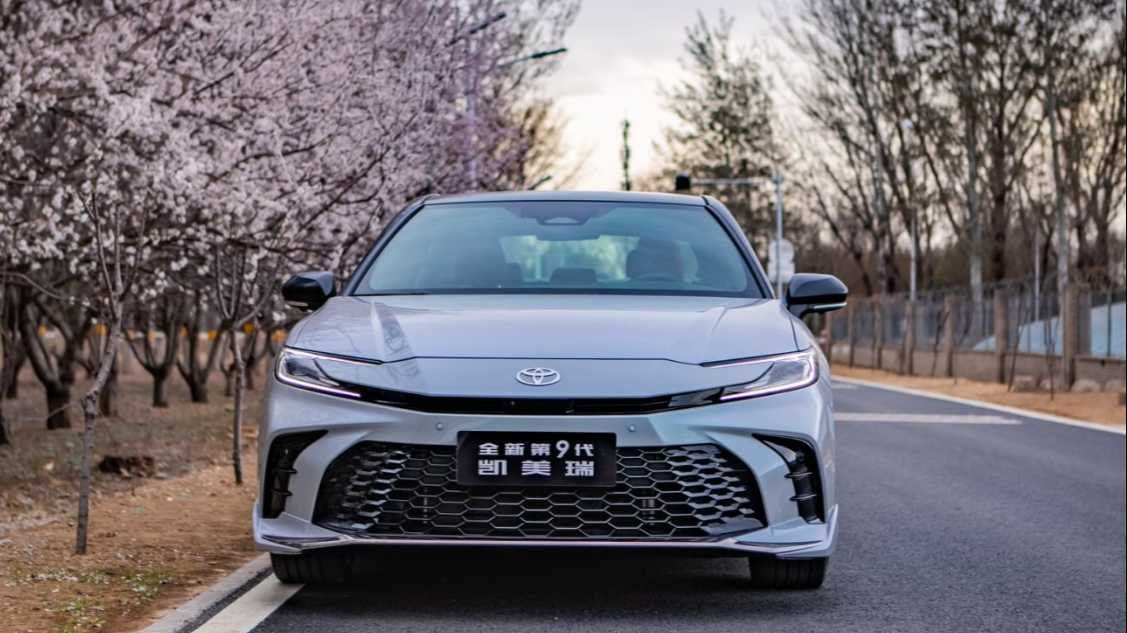
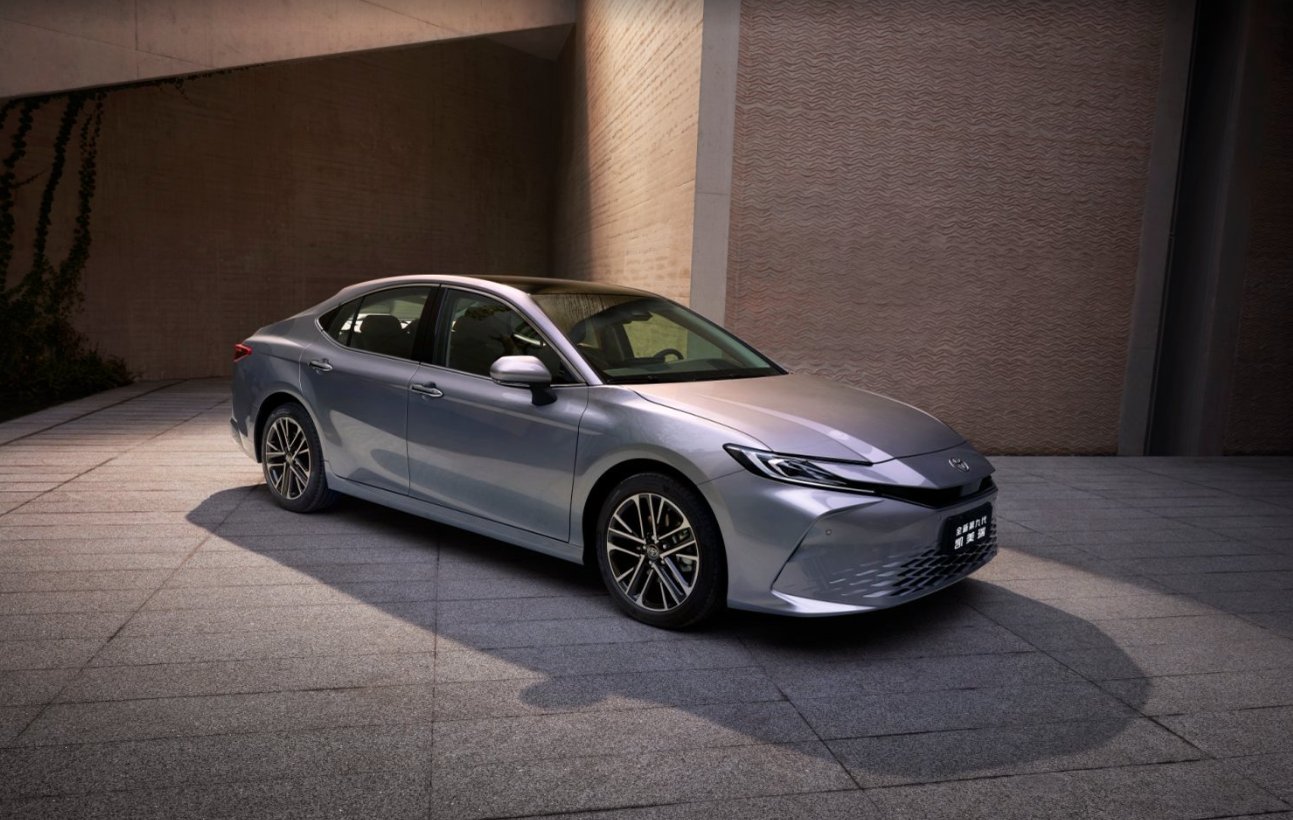
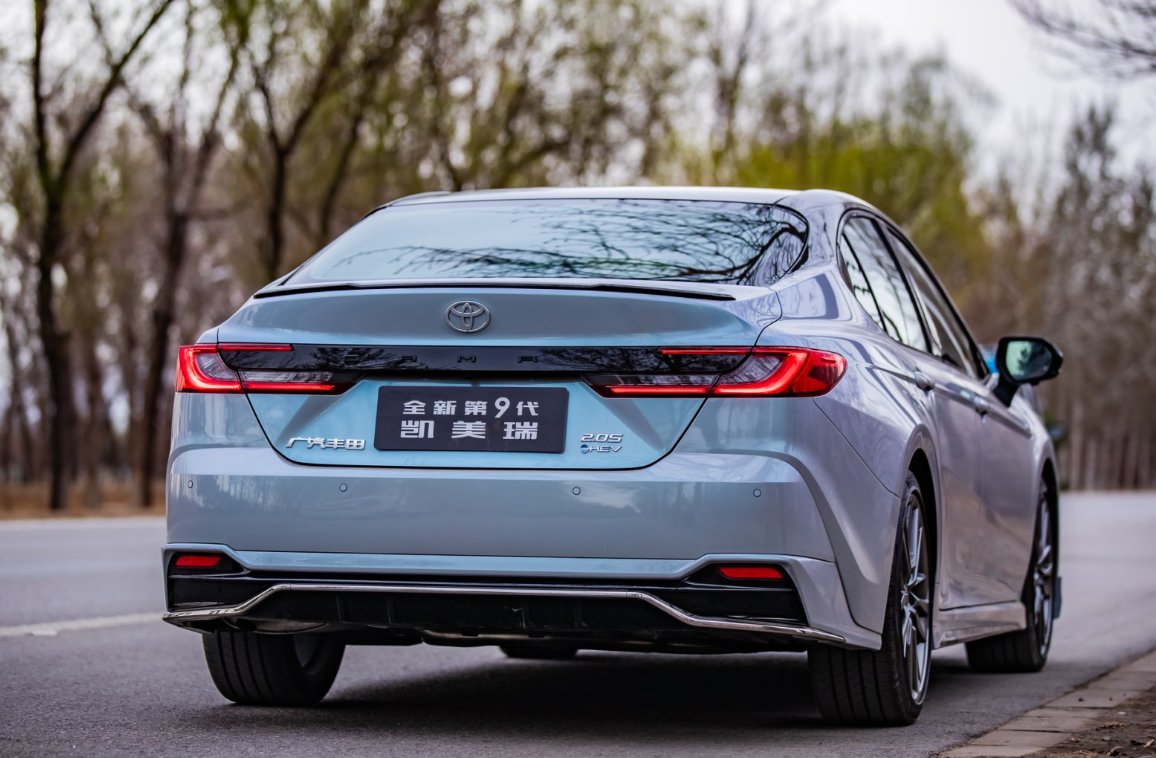
So, seizing the momentum, GAC Toyota has now set its sights on the fuel vehicle market with an even larger sales base, bringing us the Camry Smart Driving Edition.
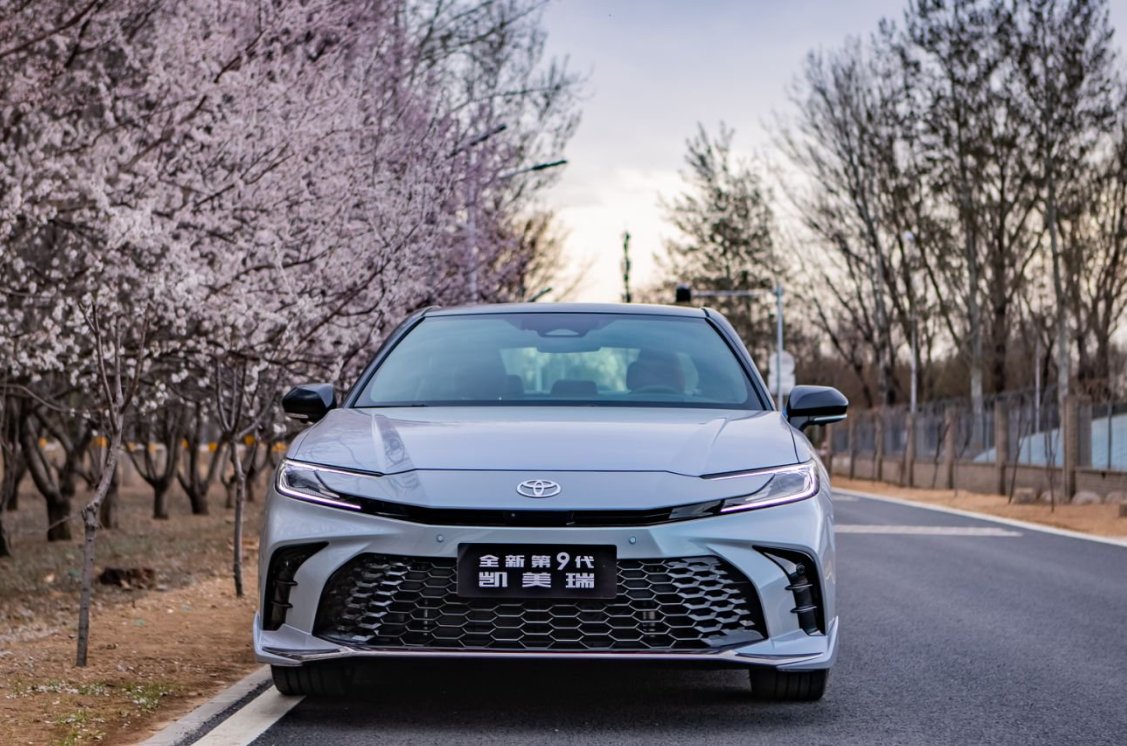
The core highlight of the Camry Smart Driving Edition is that the entire lineup comes standard with TSS 3.0 PRO advanced driving assistance. Note this: it is standard across the whole range, and the powertrain is the 2.5L hybrid version.
And the pricing is quite sincere—after factoring in various benefits, the entry threshold has been directly lowered to 16.98万元.
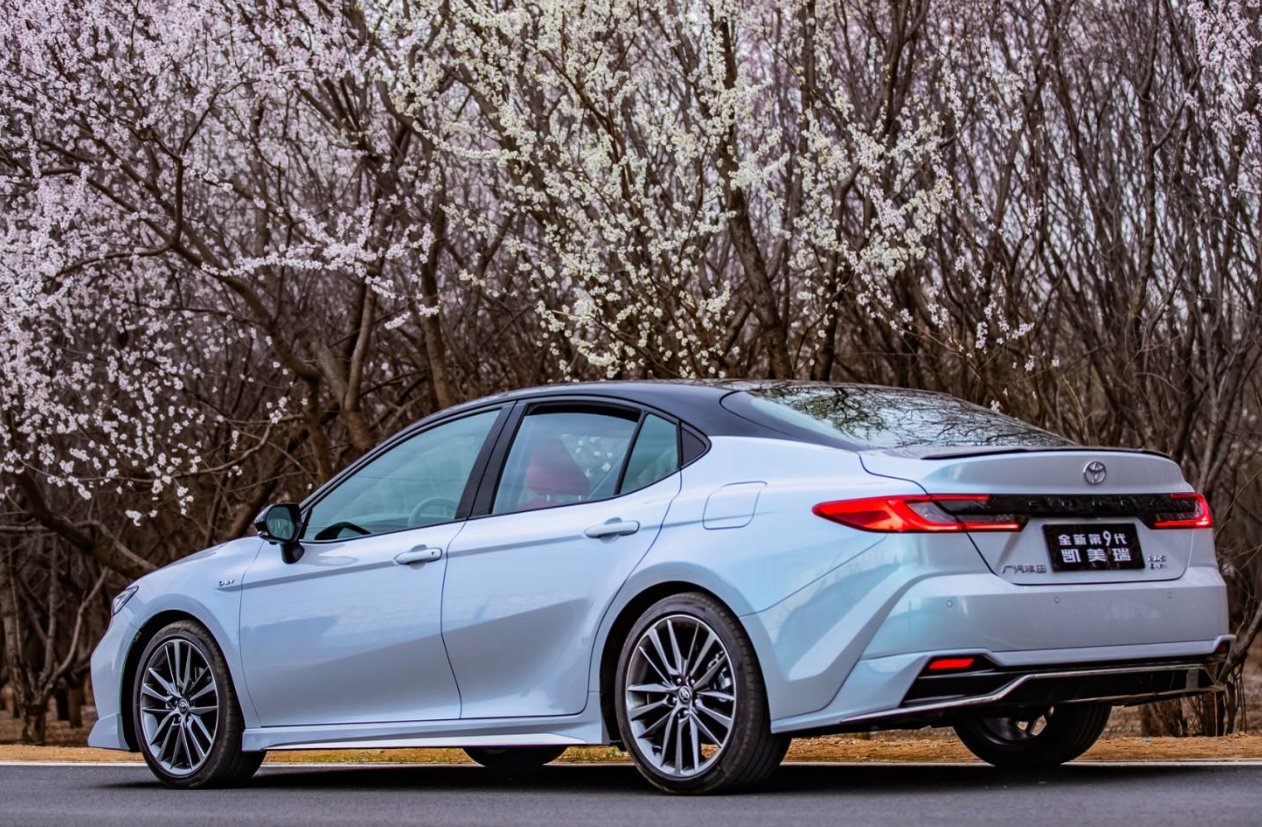
At this price, in a joint-venture B-segment car, with such a smart driving system, it is fair to say it is highly competitive, setting a new benchmark for gasoline cars in the same class, and drivers of gasoline cars no longer need to spend a lot extra.
So how good is this TSS 3.0 PRO exactly? I looked at the materials, and it indeed has many functions—officially said to be 27 items—and the hardware is quite substantial: 5 millimeter-wave radars, 8 ultrasonic radars, 4 surround-view cameras, and 1 front-view camera, 20 sensors in total, billed as a "heavenly eye view" with detection range up to 200 meters.
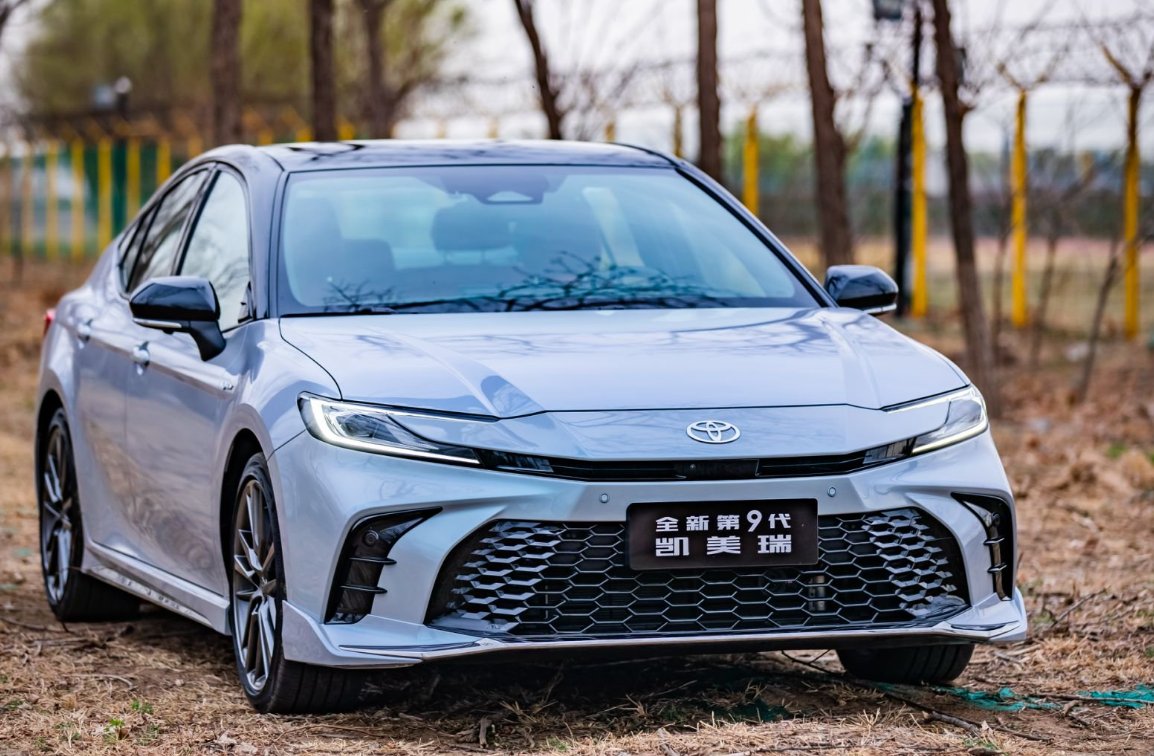
Functionally, features such as LCA lever-activated lane change, FCTA front cross-traffic alert, and DMC driver state monitoring cover highway and urban scenarios.
In particular, that lever-activated lane change is unexpectedly standard across the whole lineup, which is really rare in this class—many cars only offer this function on higher trims.
There is also driver state monitoring and a capacitive steering wheel that can monitor in real time whether you are distracted or have taken your hands off the wheel. When it comes to safety, Toyota still pays close attention to the details.
It is said that this system was developed based on Toyota's global big data of 100 billion kilometers of intelligent driving with "zero accidents." Last year in the C-NCAP smart driving test, the Camry scored full marks in five items, so its safety is backed by data.
Of course, a car cannot be judged on smart driving alone. The Camry Smart Driving Edition uses Toyota's fifth-generation intelligent hybrid system, still the most powerful 2.5L version.
This hybrid system should be quite familiar to everyone, with fuel economy as its main selling point—minimum fuel consumption can reach 4.25 L/100 km, considerably lower than many German turbocharged cars.
And the power is not weak either. Media tests show 0–100 km/h acceleration can enter the 7-second range, absolutely enough for daily driving, and it can even trade blows with German turbos.
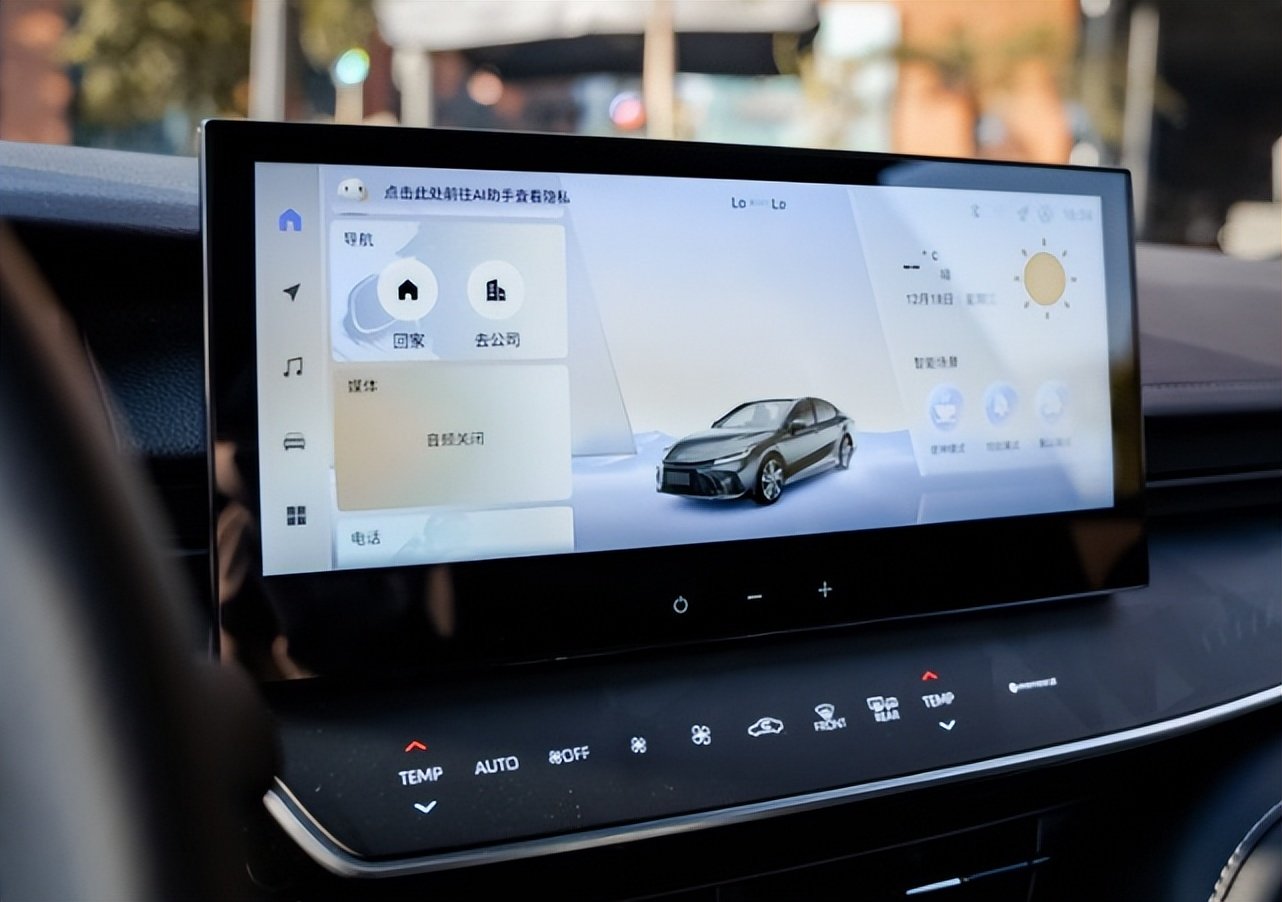
In-car intelligence has not been left behind either. This time the Camry has cooperated deeply with Huawei, and the smart cockpit has been well localized, supporting multi-intent voice interaction, lane-level navigation, split-screen control, and more, with OTA update frequency also keeping pace with the new forces.
Finally, let's talk about quality. GAC Toyota's plant has long been known as a "global model factory," with strict quality control and a first-time pass rate on the production line as high as 99.2%, which is top-level even within Toyota's global system.
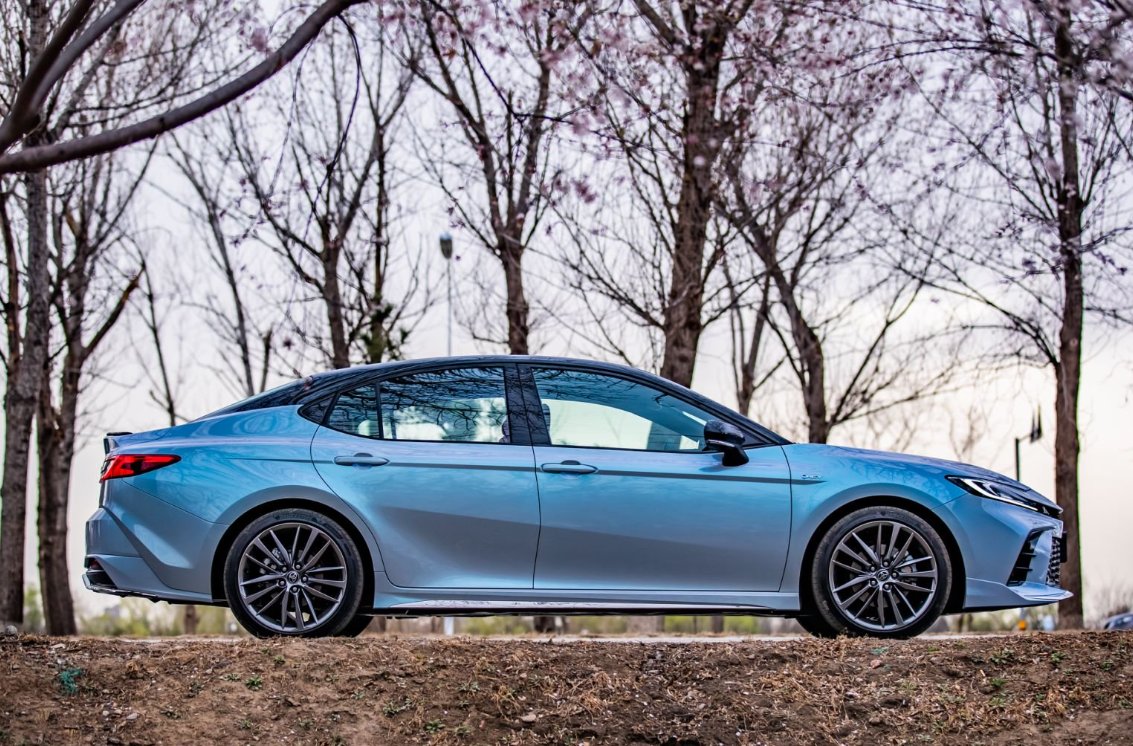
Add to that the reputation accumulated by the Camry as a global car over 43 years and 25 million owners, and the quality of a major manufacturer is still quite reassuring.
In launching the Camry Smart Driving Edition this time, I think GAC Toyota has understood the needs of the Chinese market. Many people in the market are still torn between "gas" and "electric," but intelligence should not be bound only to electric vehicles.
Although the penetration rate of smart driving in China's new energy vehicles is high, fuel vehicles still account for a very large share of sales (nearly 60% in 2024), and the smart driving needs of these users also need to be met.
GAC Toyota is now pursuing "equal intelligence for gasoline and electricity," equipping fuel vehicles with advanced smart driving systems too, and at very affordable prices. This undoubtedly gives consumers more choice and also provides a good reference for other joint-venture brands.


