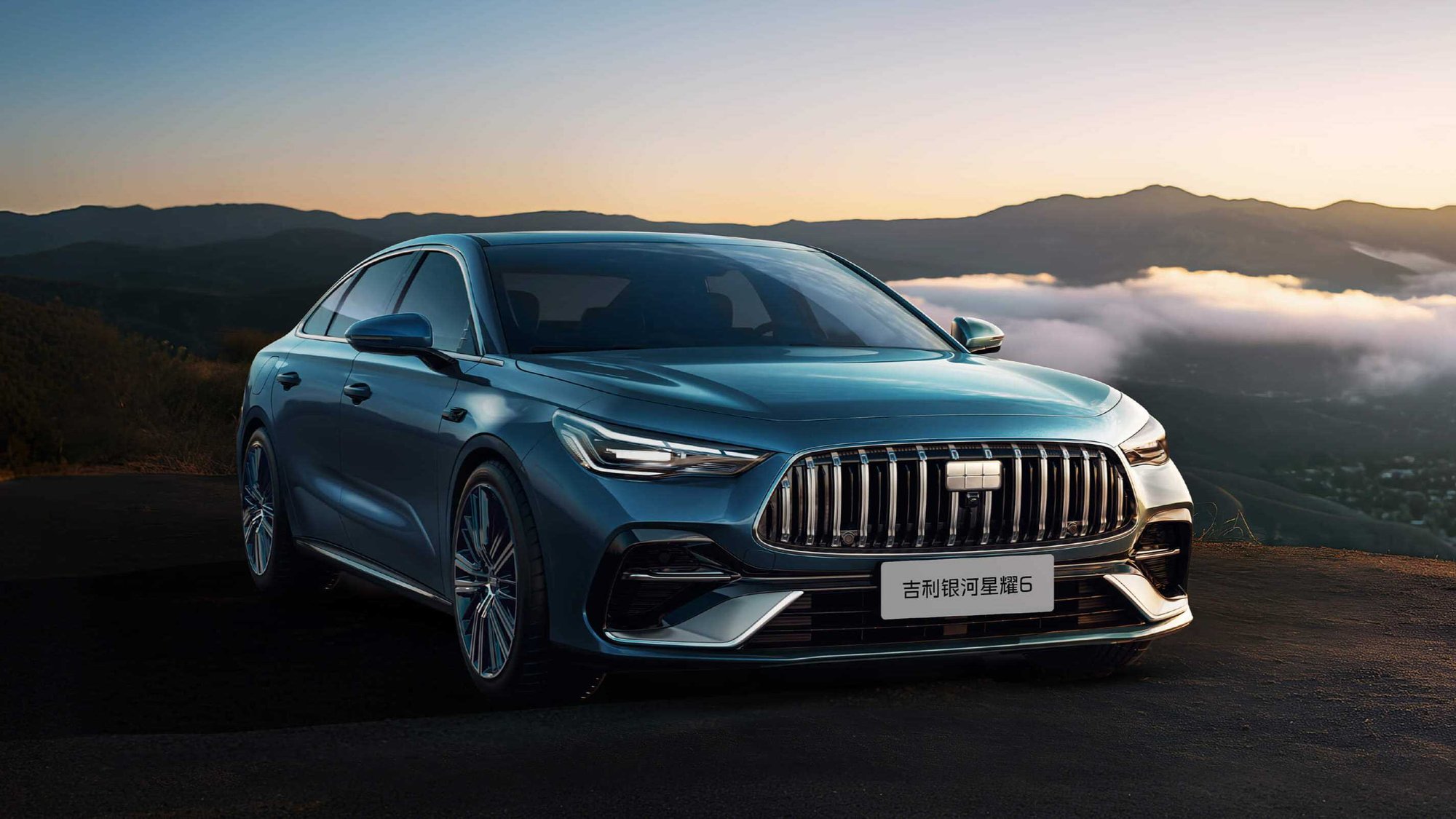
Geely Galaxy Starshine 6, its positioning is actually very clear: to storm the front ranks of the mainstream family sedan market in the 60,000-100,000 yuan range. Indeed, Geely has been absent from the top five for a long time. The limited-time price of 68,800-99,800 yuan may make the Qin PLUS become wary.
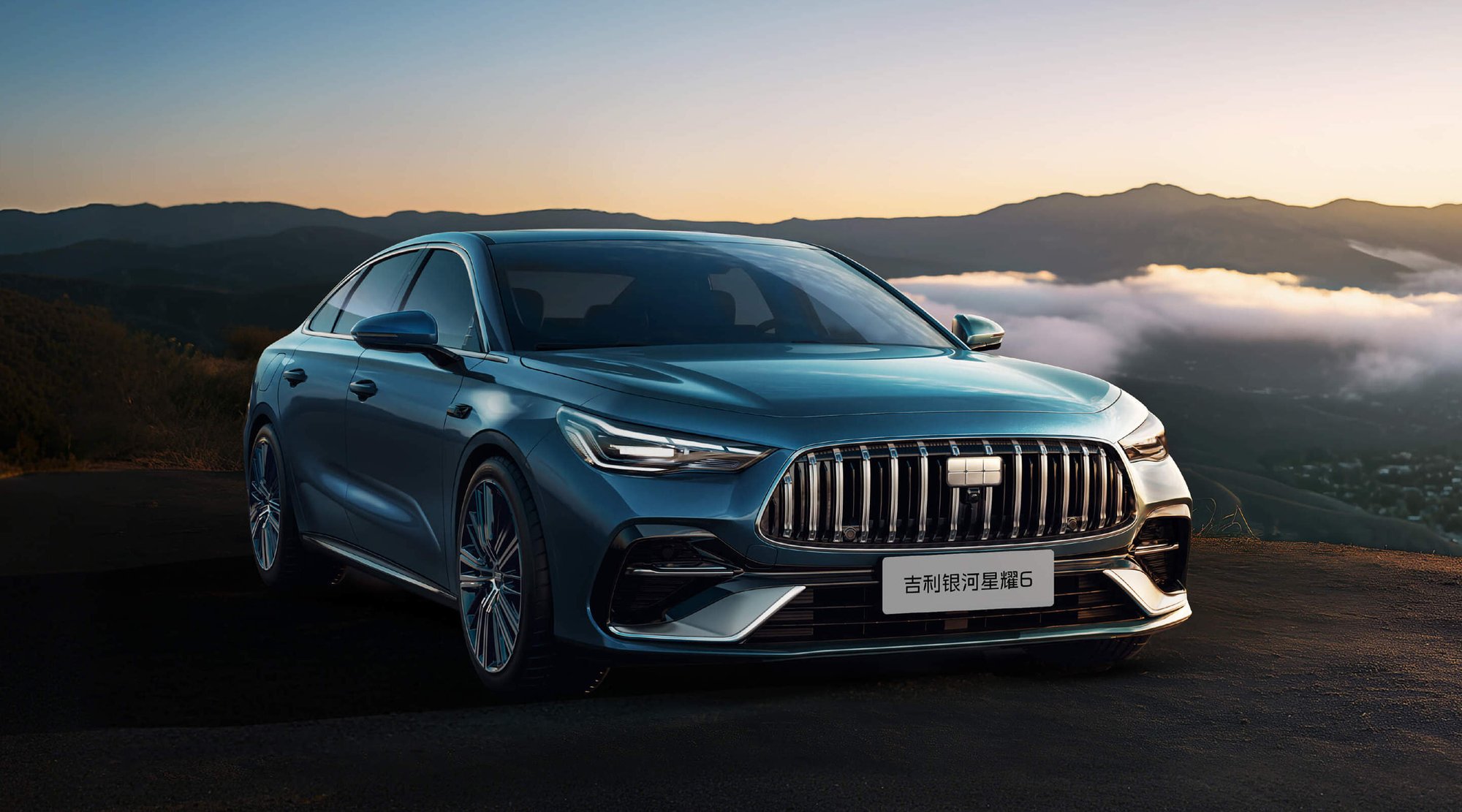
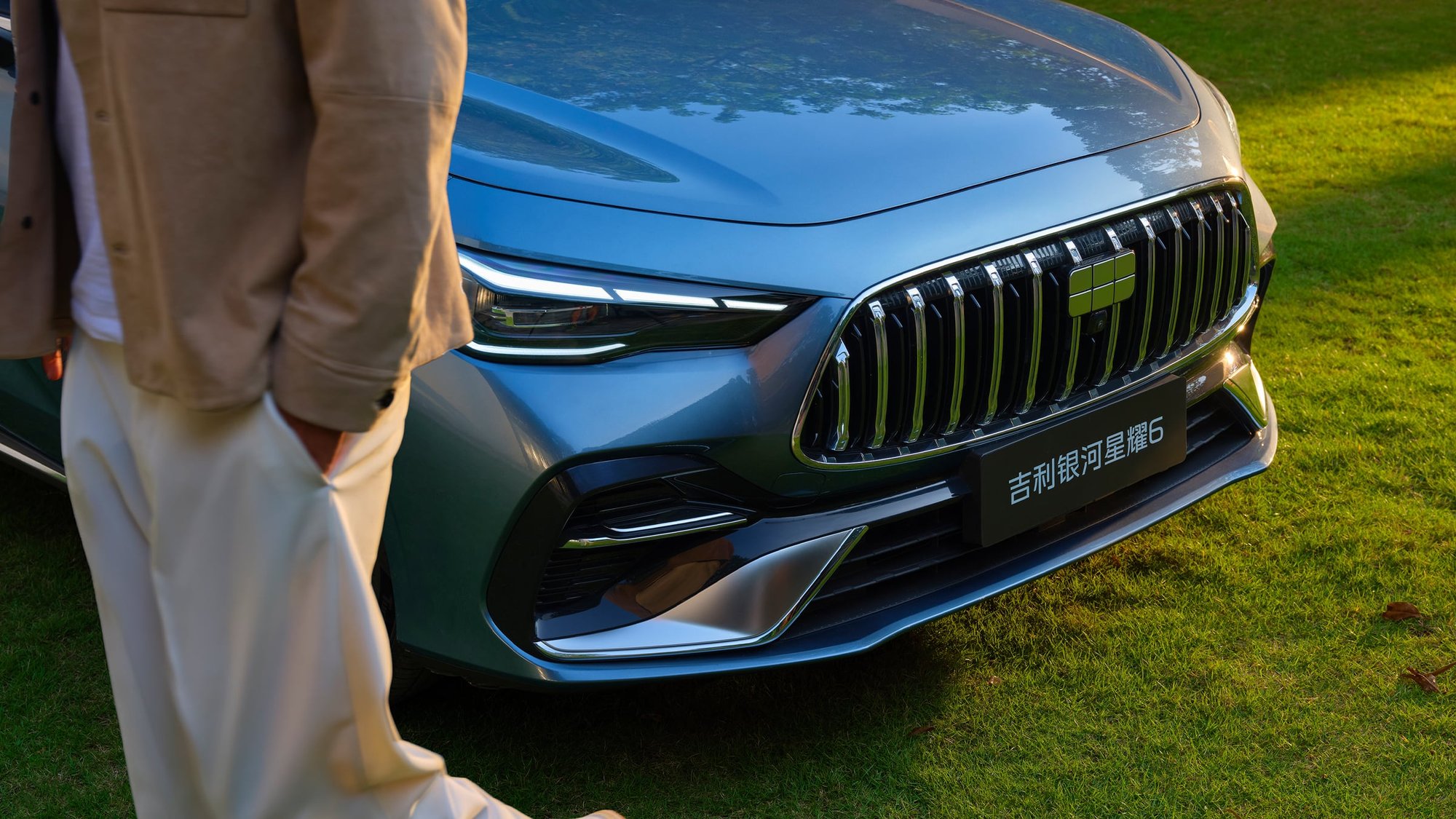
In terms of design, this car has a bit of a "Benz-like vibe," which will likely stir some controversy in the market. The overall design language even has a somewhat nostalgic flavor, much like the design approach of old-school luxury cars.
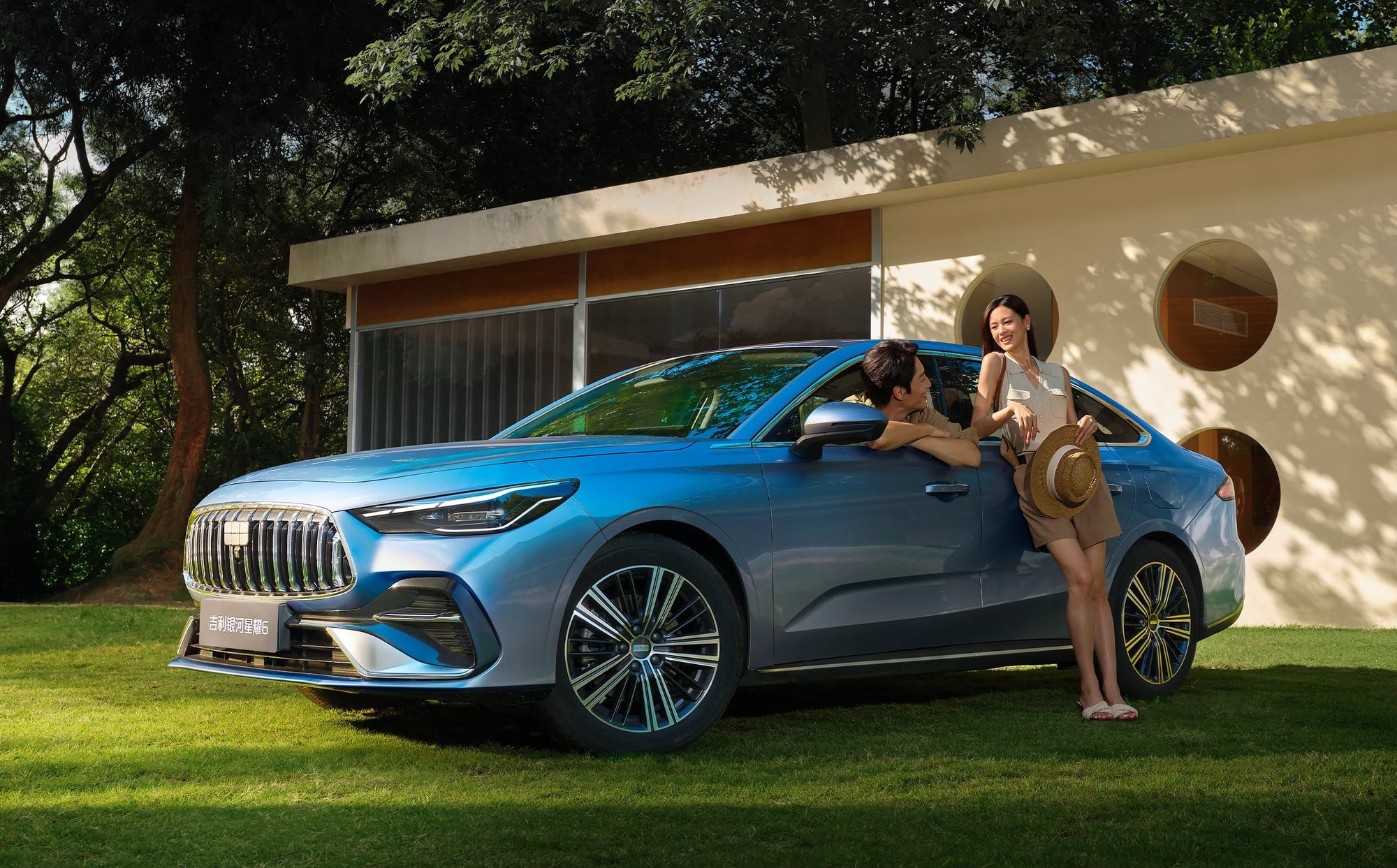
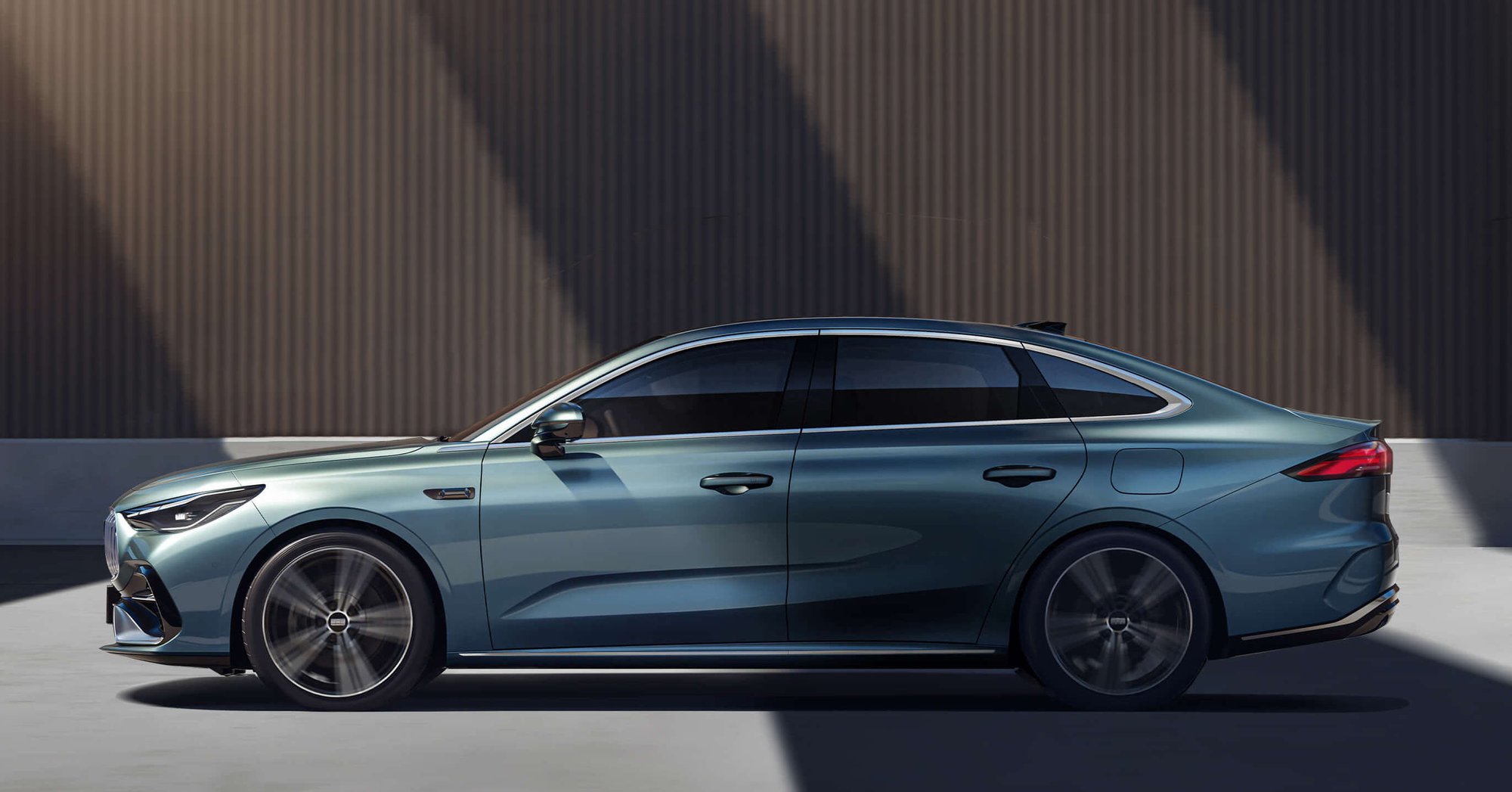
In terms of dimensions, it is on par with the Xingrui: slightly shorter in length, slightly shorter in wheelbase, but wider and taller, so its presence is in no way inferior. The traditional door handles on the side are a plus, though of course this is also a cost consideration.
Its core competitiveness lies in the powertrain. The Thor AI Hybrid 2.0 performs excellently in both technical level and energy efficiency, making it a strong rival to DM5.0. The 1.5L engine's 47.26% thermal efficiency should currently be the benchmark.
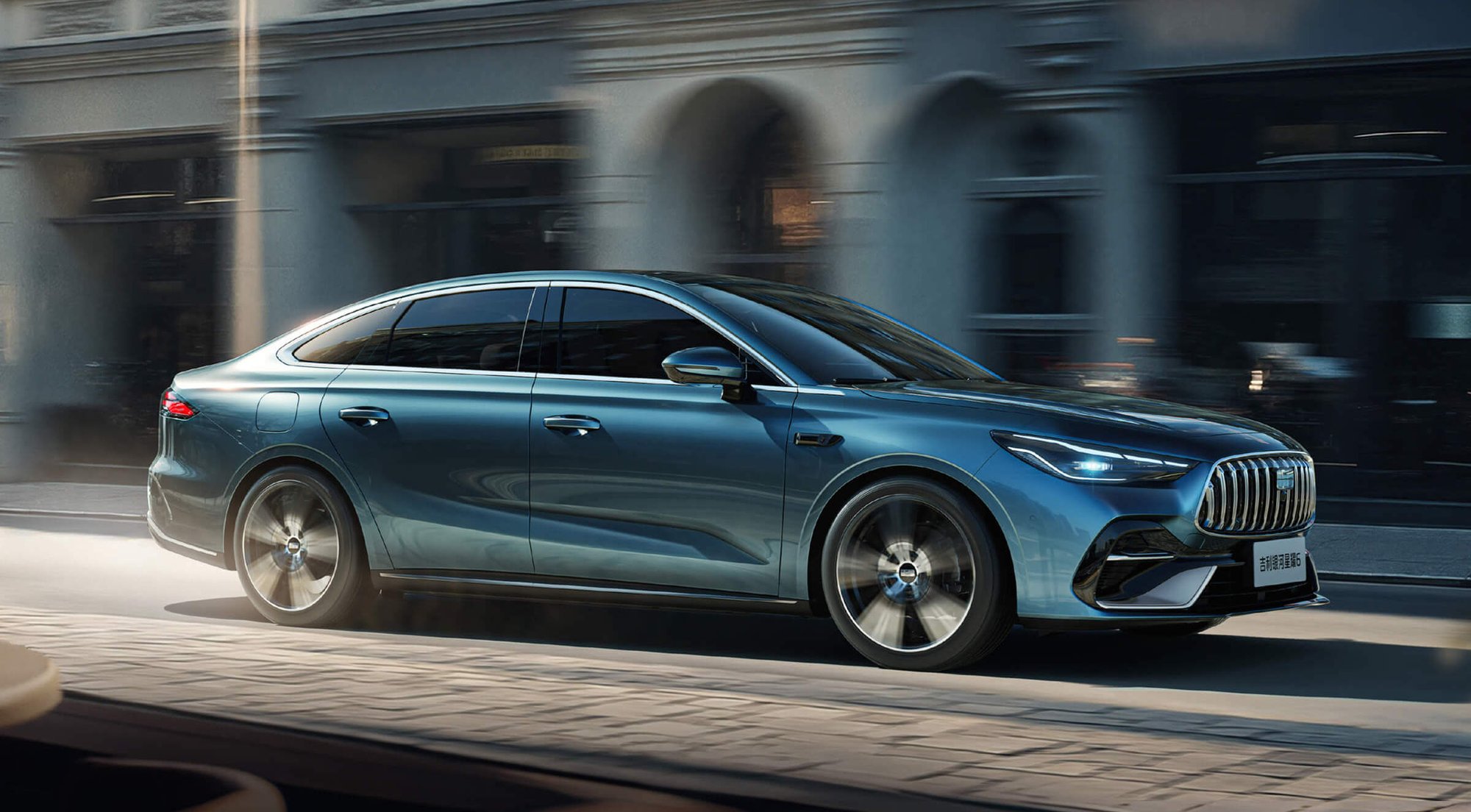
However, its tuning is clearly comfort-oriented. The power delivery is unhurried but very linear, and the power feel is very similar to that of a fuel-powered car. Even in performance mode, the power surge is only slightly more responsive, with no particularly noticeable improvement. But the comfort-oriented tuning style itself is not a problem, after all, it is aimed at family use.
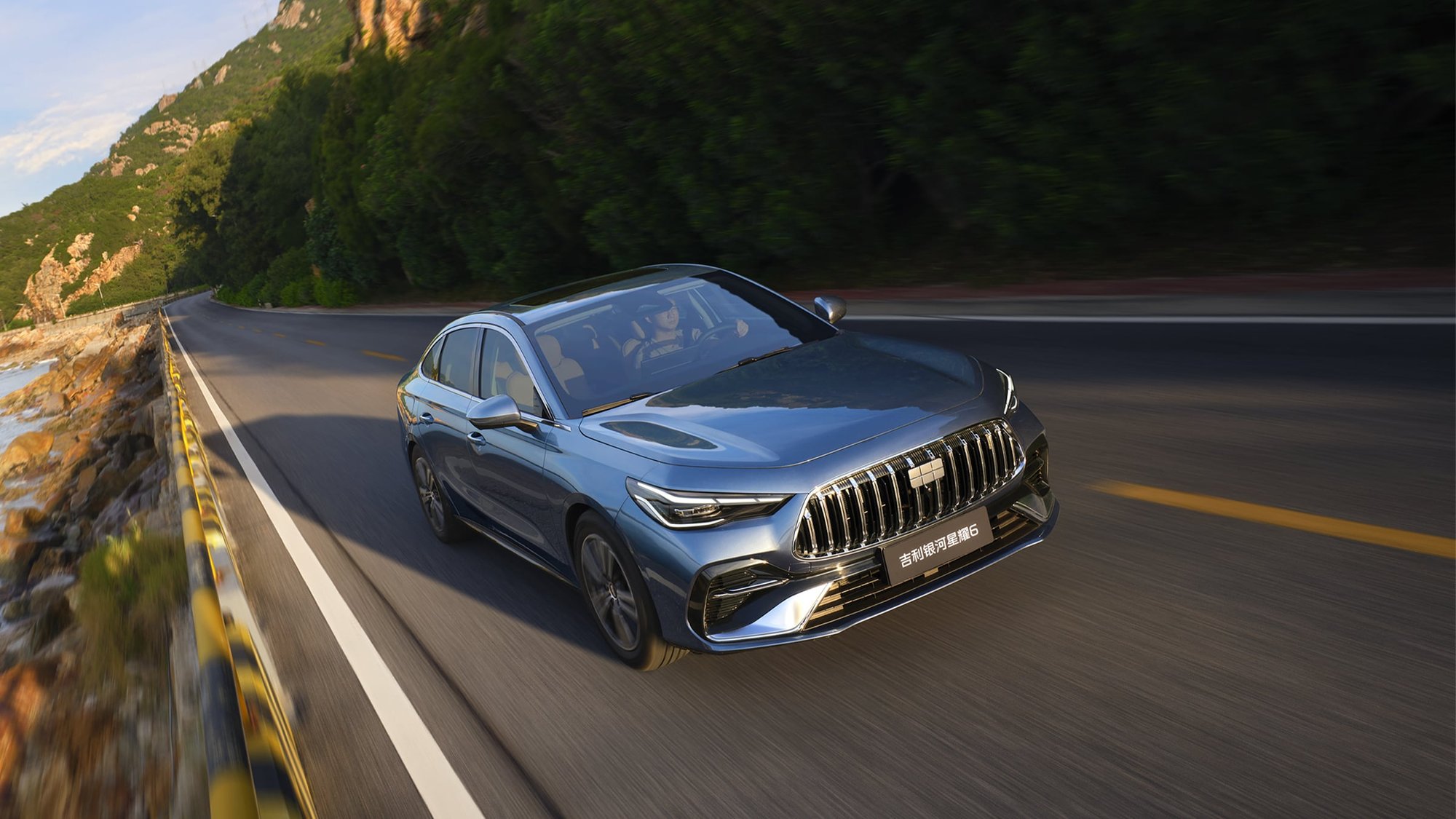
The handling section is also clearly tuned for comfort. Steering is relatively light and not particularly precise, chassis vibration filtering is very thorough, body roll is moderate but still supportive, and tracking is not especially sharp.
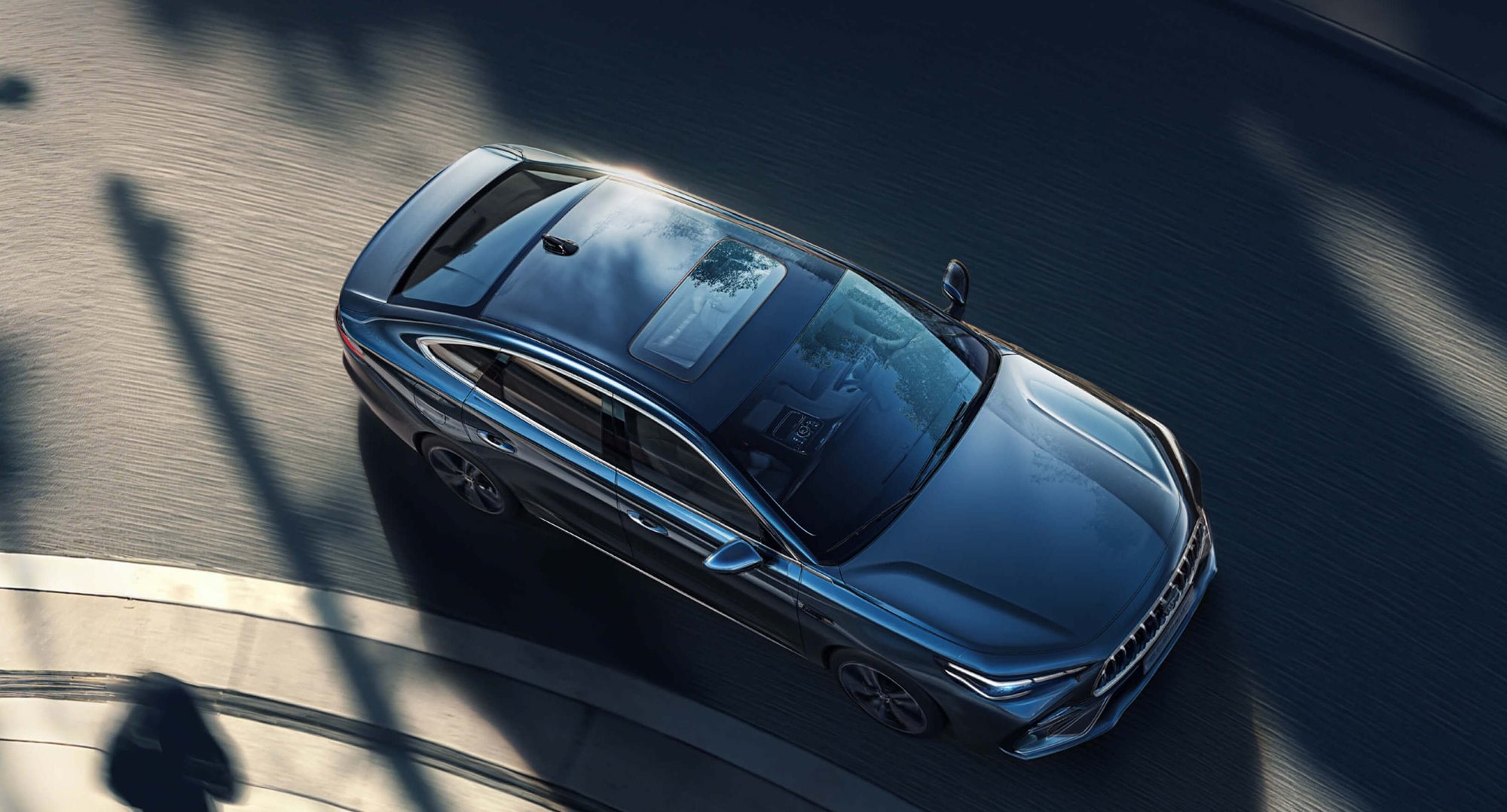
For the battery, the 60km version is equipped with CALB, and the 125km version with REPT. There is no need to fuss too much over which is better or worse. The combined range is up to 1,700km, which is a good performance.
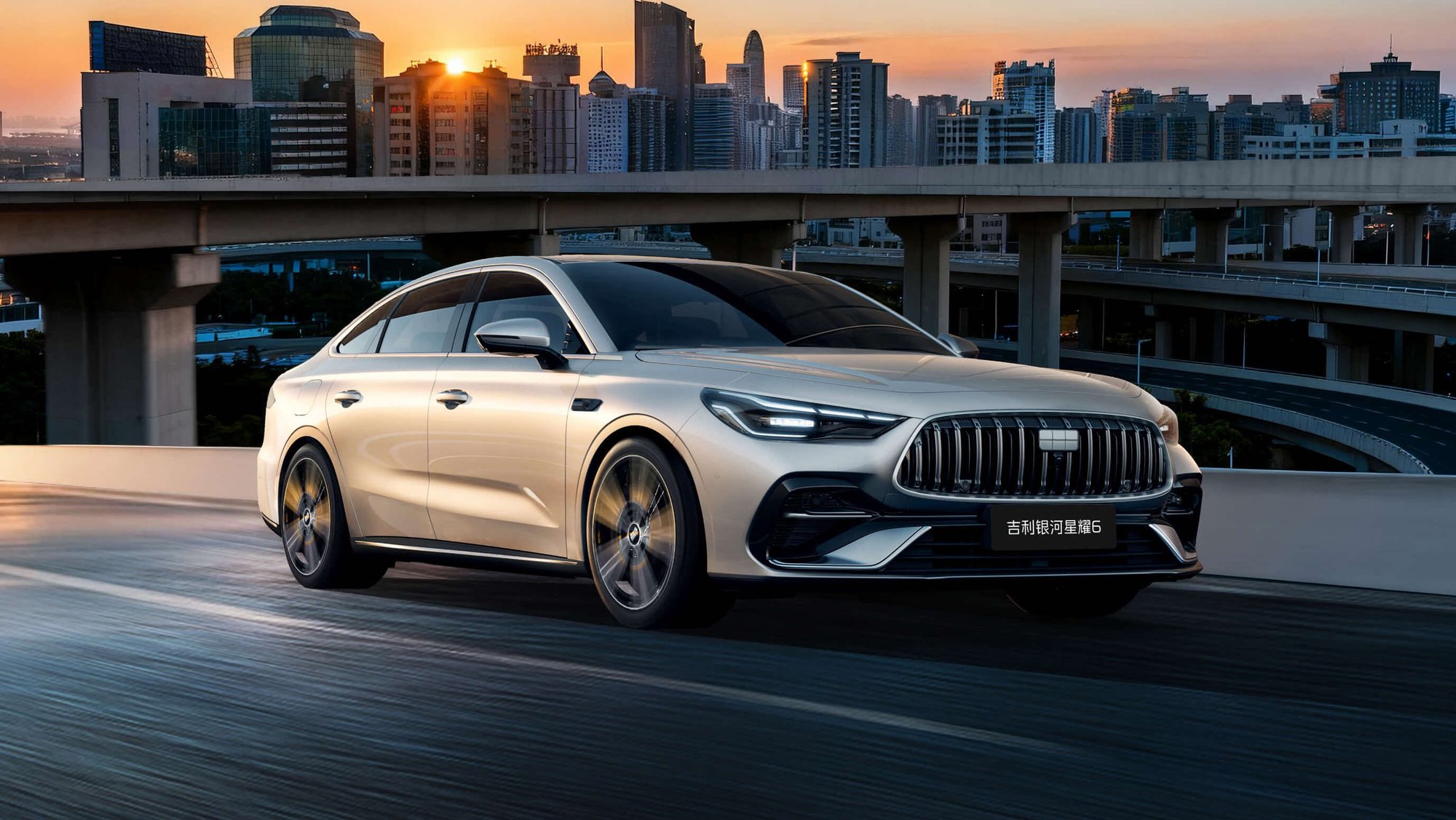
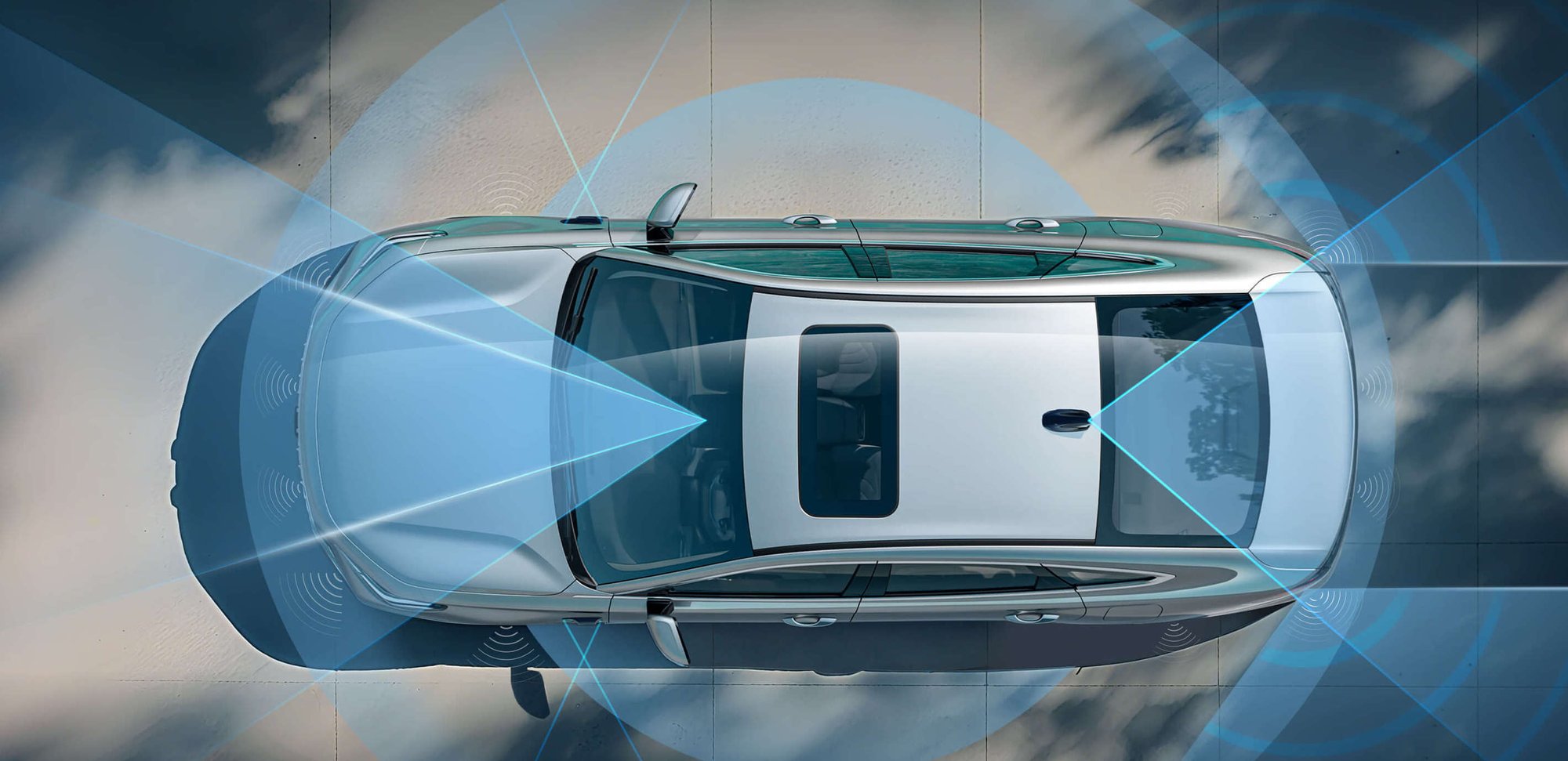
The top trim is given the Qianli Haohan H3 assisted driving system, equipped with the Horizon Journey J6M assisted driving chip, supporting urban commute navigation and highway navigation assist, directly targeting BYD's God's Eye C.
For the cabin, the biggest selling point is the FlymeAuto infotainment system. Its level of intelligence, ease of use, and overall experience all surpass BYD DiLink 100, making it one of this car's strong competitive advantages.
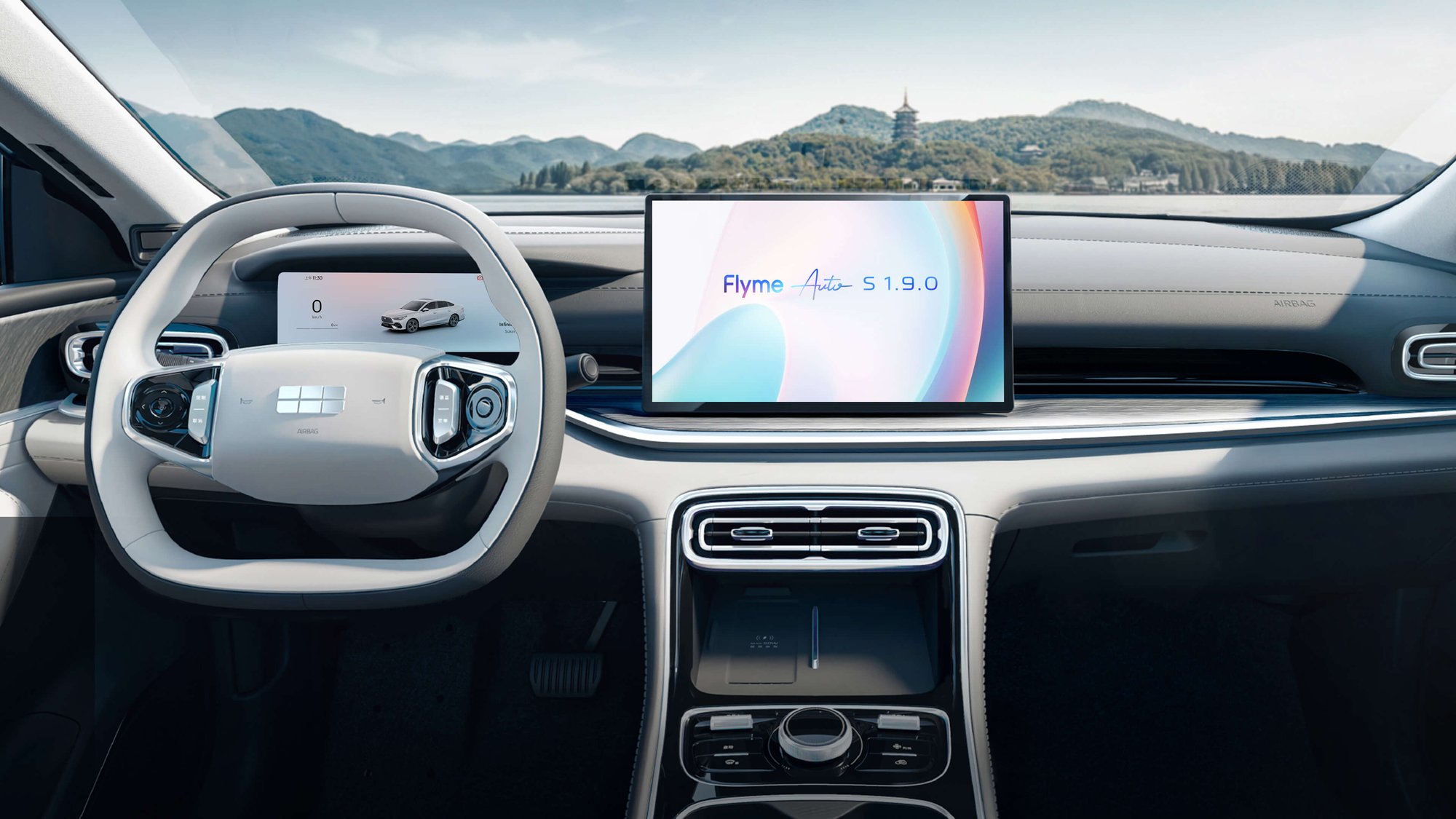
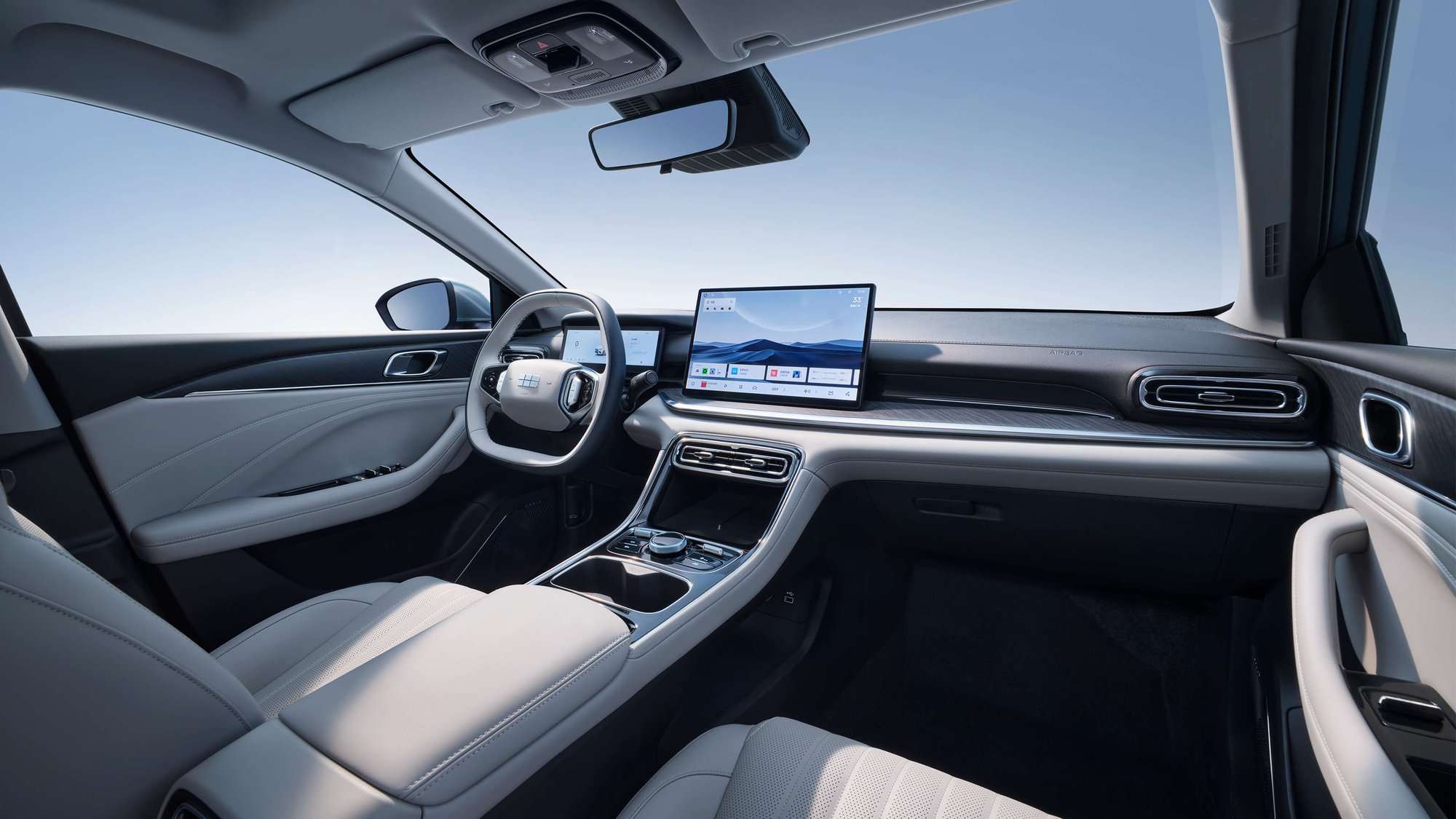
The interior materials place more emphasis on health, using water-based environmentally friendly materials. The steering wheel is also antibacterial, and there is a PM2.5 air conditioning filter. The workmanship is also very refined, ranking at a leading level among its peers.
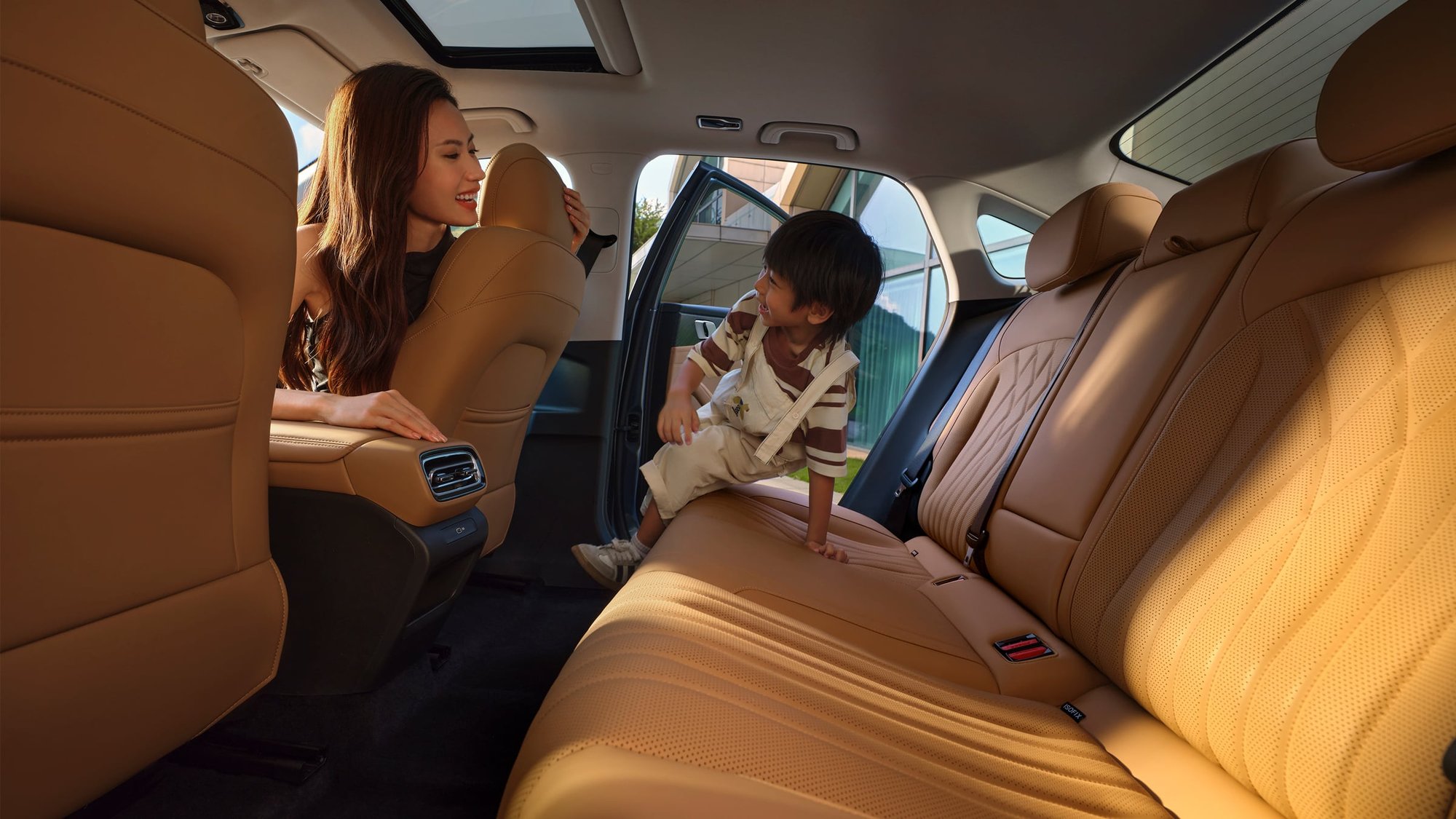
It is just that the rear space optimization is not quite in place. Legroom is relatively empty, and the backrest angle is relatively upright, which is not very ideal for family use.
Overall, for budget-sensitive users, the Starshine 6 is still relatively outstanding in terms of quality feel, and the infotainment system and powertrain are also relatively attractive selling points. But the details are not optimized enough, and certain problems still remain. It gives the impression of being an "oil-to-electric" version of the all-new Emgrand, and the cabin section is not yet good enough to use.
If it wants to compete with the Qin PLUS for market share, this car still needs to make further efforts on terminal pricing. One more point: those who want to buy the 60km version should act as soon as possible before the end of the year, as the purchase tax incentive window is running out.


