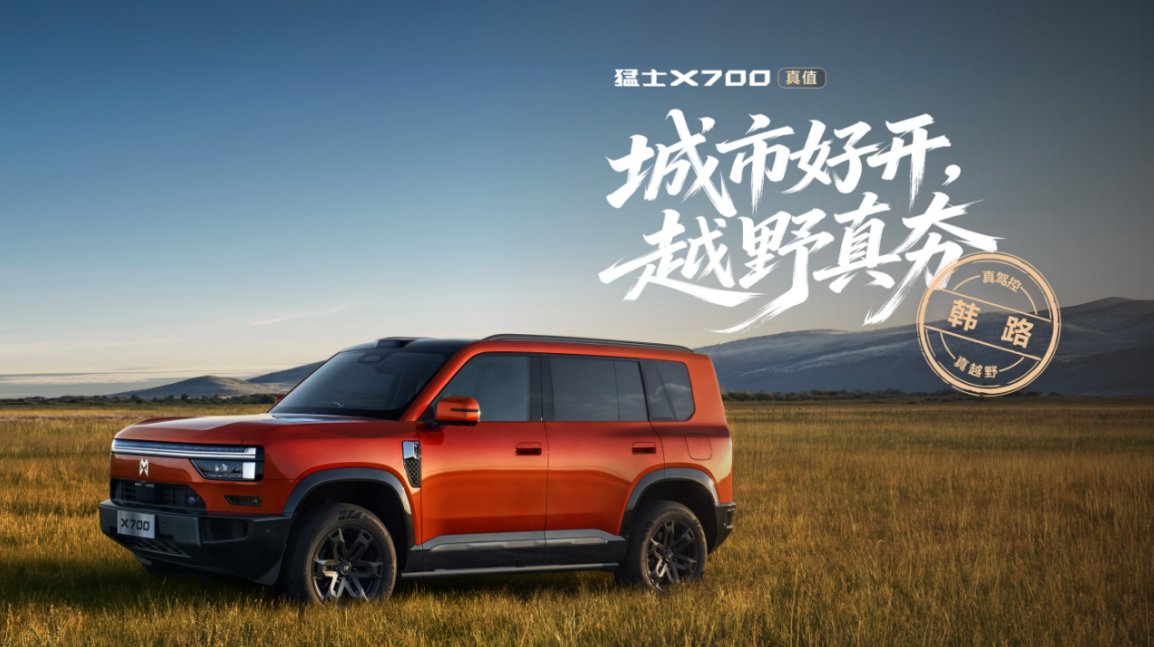
The popularity of boxy SUVs has been one of the most obvious trends in the auto world over the past two years. From a hundred thousand to several hundred thousand yuan, there's no shortage of rugged-looking options, but once you actually drive them onto unpaved roads, the gap in product capability becomes immediately apparent. On October 25, the M-Hero X700 launched—not with a standard answer stuffed with specs, but by handing the power of judgment back to users: four real users, and one thread of "a true boxy SUV, proven."
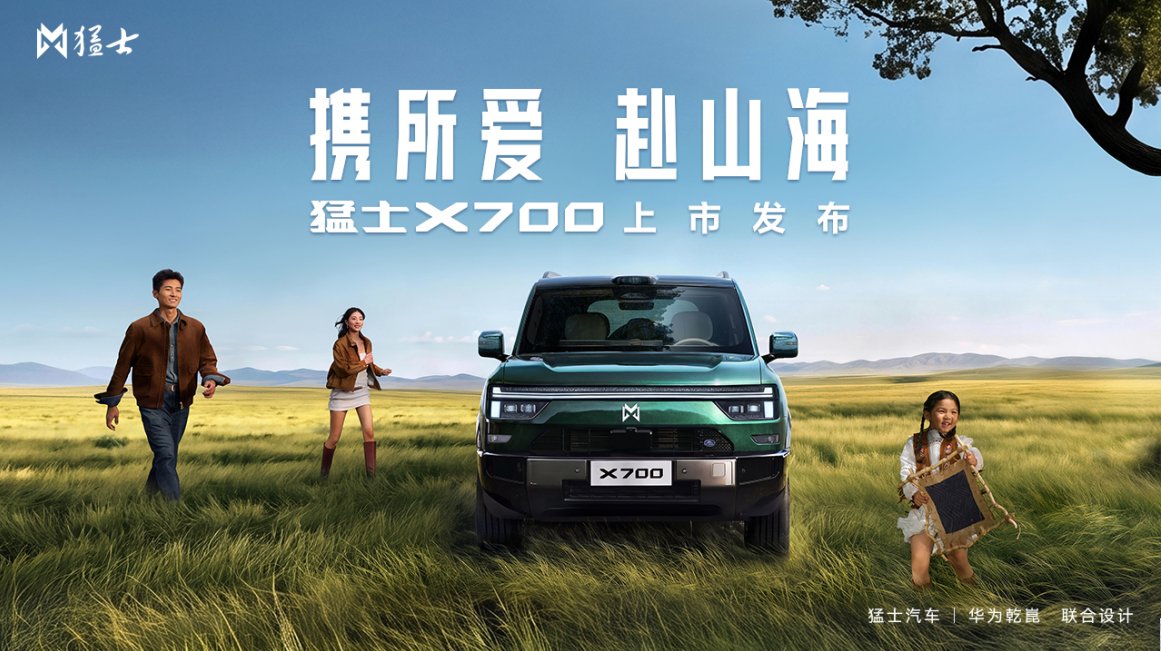
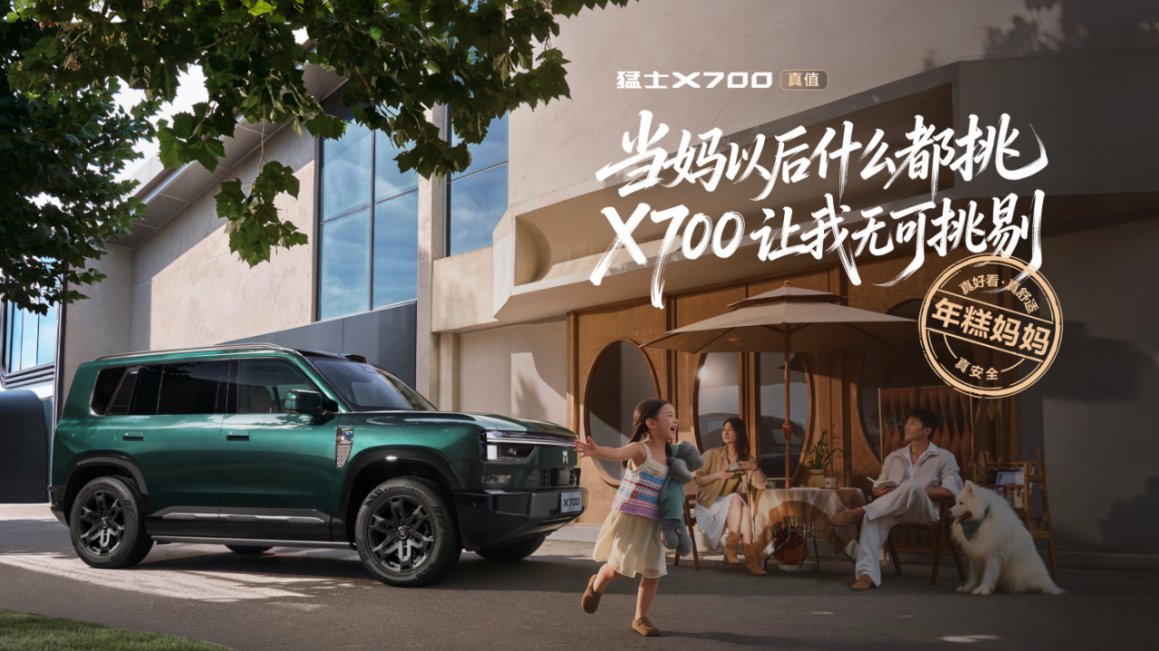
Imagine a blogger who creates mother-and-baby content being invited to verify an off-roader's comfort. Five years ago, this would have been treated as a joke. M-Hero went ahead and did it anyway, even having her sit in the third row and nitpick using the standards of someone who rides in MPVs with kids. The conclusion was "nothing to nitpick." A boxy SUV starting at 219,800 yuan—what gives it the confidence to claim "more off-road than a family car, more intelligent than an off-roader"?

Boxy SUVs aren't scarce; what's scarce is a boxy SUV that dares to let users verify it
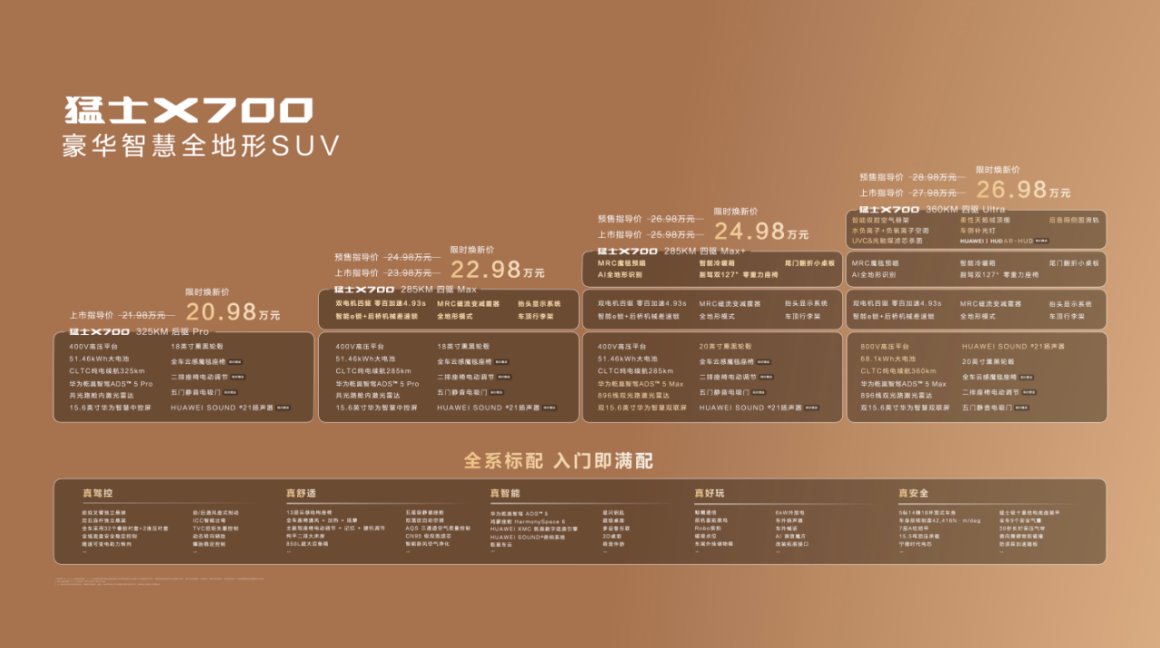
The M-Hero X700 comes in four variants, with a guide price of 219,800–279,800 yuan; those who lock in orders before November 30 enjoy a 10,000-yuan renewal gift, with a limited-time renewal price starting at 209,800 yuan, and total stacked benefits worth up to 65,000 yuan.
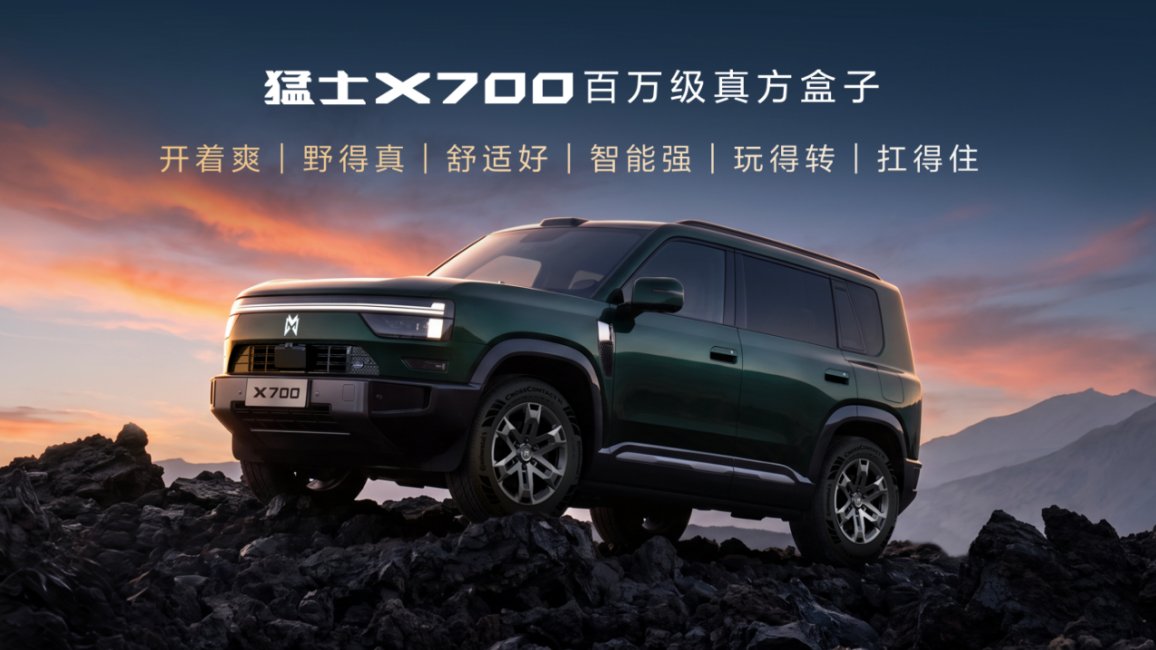
Backed by Dongfeng's 57 years of off-road heritage and a full-stack intelligent co-creation with Huawei Qiankun, the X700's positioning is clear: more off-road than a family car, more intelligent than an off-roader. It doesn't pursue "posing only in the city," nor is it a toy only for hardcore players—it sits in between, completing three things at once: commuting, family, and light off-roading.
Daring to let users experience and verify on launch day carries more confidence than any rhetoric.
This car isn't for off-road veterans
What were M-Hero's past labels? Military vehicle lineage, hardcore, niche. The X700 changes the approach—it shifts the target user from "the man who goes dune-bashing on weekends" to "the family's only car."
This pivot is crucial. Of the four verifiers, one is a mother-and-baby blogger, one is a tech UP host, and the real off-road expert Han Lu accounts for only a quarter. The ratio itself is the attitude.
What this means for real car buyers: if you're looking for a car that can pick up the kids, take the whole family camping on weekends, and occasionally handle rough roads, it belongs on your shortlist.
Four verifiers are more persuasive than a hundred pages of slides
M-Hero didn't hire traffic-driving celebrities, but invited four users with different identities:
Nian Mama (family perspective): measuring space and comfort by the standards of traveling with kids—850L trunk, 56 storage spots, cloud-feel magic carpet seats with massage, dual-layer soundproof glass, 30-second long-hold side air curtains, and a big-bed mode after expanding the second row. The conclusion: a boxy SUV that does comfort solidly.
Han Lu (off-road perspective): verifying chassis and passability—Rock chassis 2.0, MRC magnetorheological dampers, dual-chamber air suspension, 328.8mm maximum ground clearance, 800mm wading depth, rear axle mechanical differential lock, and one-touch "True AUTO" AI all-terrain. Easy to drive in the city, confident on rough roads.
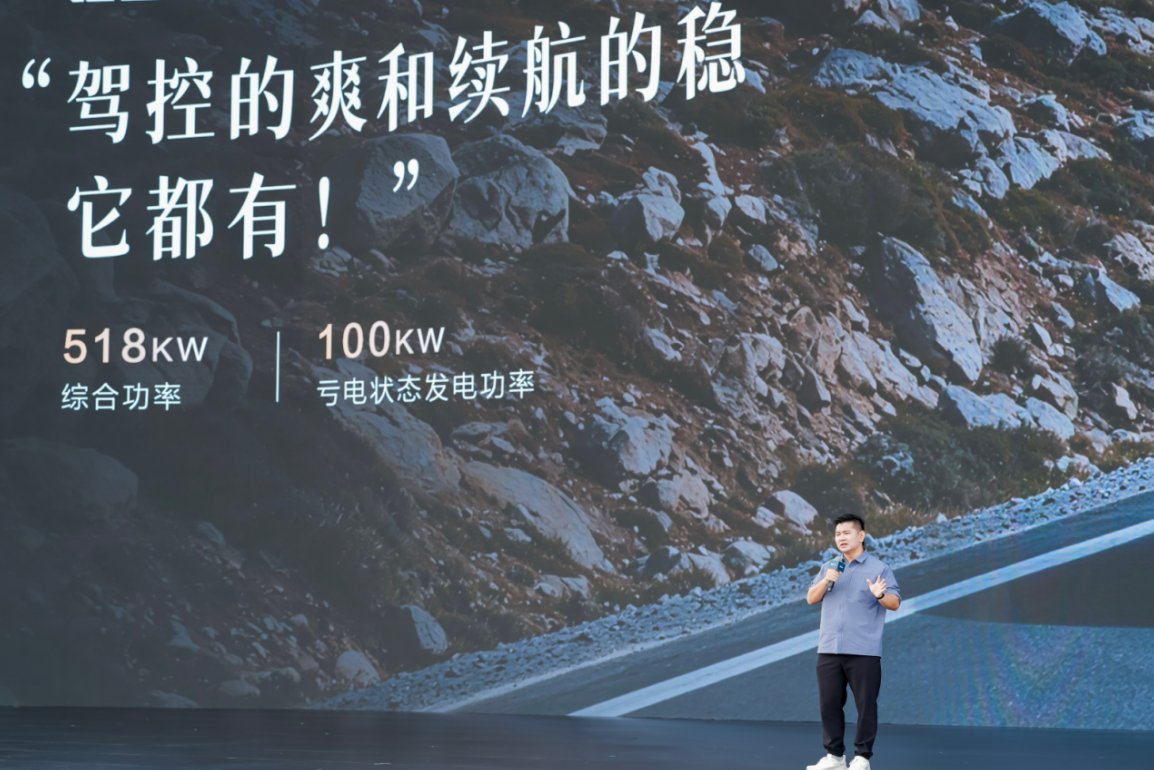
Huasheng Shuo (intelligence perspective): focusing on Huawei Qiankun ADS 5 and HarmonyOS Cockpit 6, with 27 sensors total including an 896-line lidar, supporting point-to-point 3.0. Intelligent driving isn't a demo reel—it means fewer takeovers on commutes and backup confidence when parking.
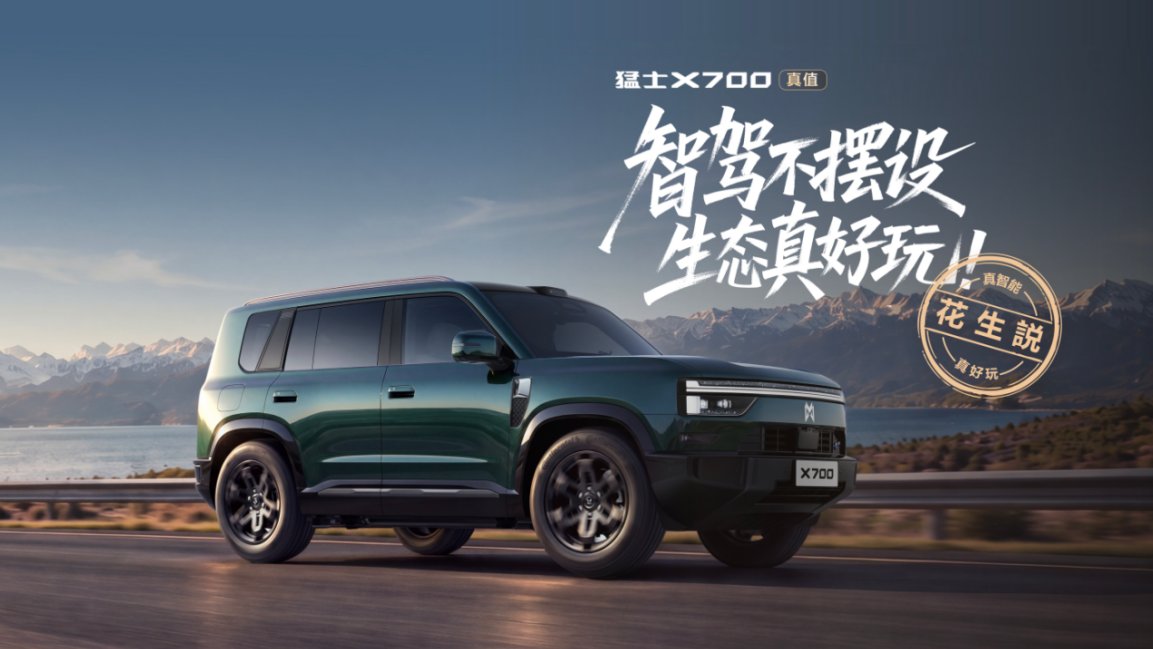
A Guo (family coordination perspective): the husband values chassis and intelligent driving, the kids need space, and she values quality. Balancing comfort, intelligence, and experience across three dimensions—that's what a family off-roader should be.
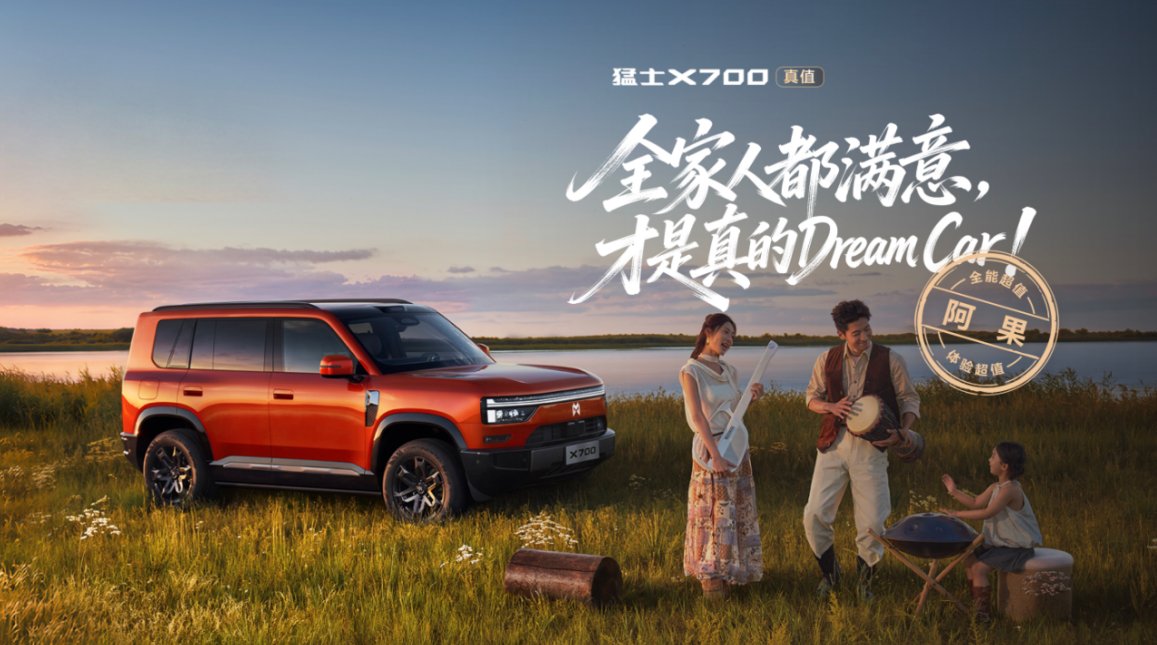
The value of cross-perspective verification lies in this: real users never fixate on a single spec—they look at whether "the whole family is satisfied."
Huawei Qiankun full-stack is this car's strongest card
The X700 is the first car from the 2.0 strategic cooperation between M-Hero and Huawei, equipped with Huawei Qiankun ADS 5 and HarmonyOS Cockpit 6, with 27 sensors including an 896-line lidar. Huawei Senior Vice President Jin Yuzhi personally appeared as a product recommendation officer—this level of involvement shows Huawei places considerable importance on this car.
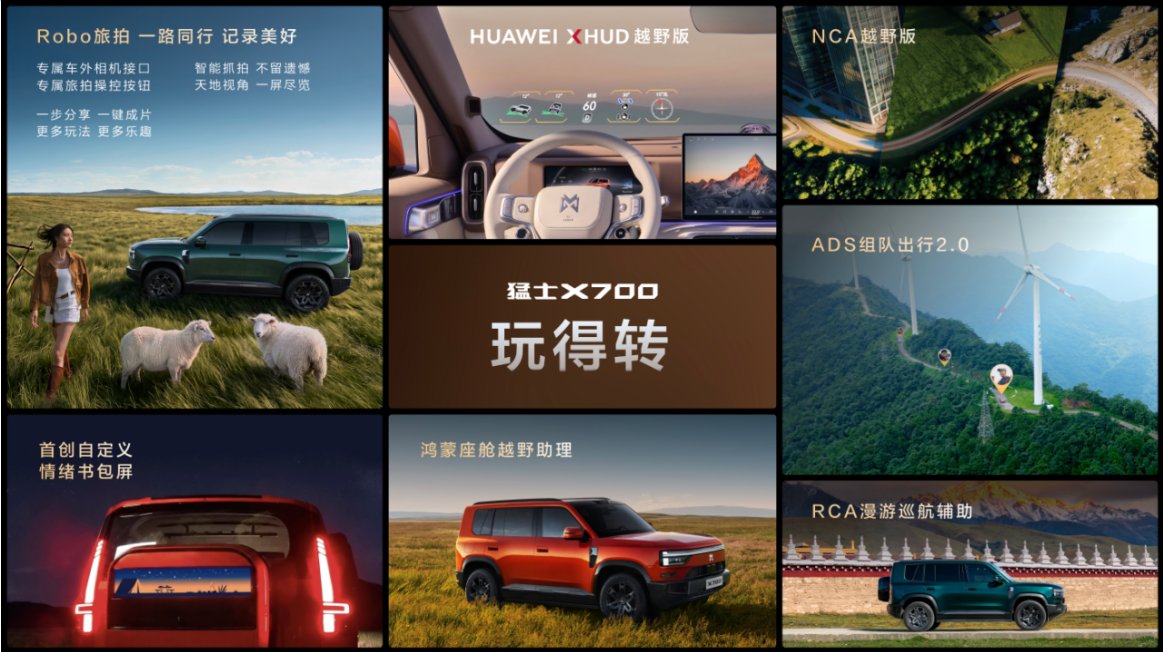
The NCA off-road edition extends assisted driving to country dirt roads, the HarmonyOS Cockpit off-road assistant provides route and camping information, and the HXUD off-road edition directly displays differential lock status, body roll angle, and pitch angle. These genuinely push intelligence into off-road scenarios rather than slapping an off-road skin on the city setup.
From "one person's conquest" to "a family's protection"
Rock chassis 2.0, MRC magnetorheological dampers plus dual-chamber air suspension, with 0.001-second response and 1,000 dynamic adjustments per second. 328.8mm maximum ground clearance, 800mm wading depth, rear axle mechanical differential lock, and one-touch "True AUTO" AI all-terrain system.
Han Lu's assessment is "easy to drive in the city, genuinely tough off-road."—The MRC plus air suspension combination indeed has advantages in vibration filtering and cornering support on city roads; this is determined by physical characteristics. A unibody SUV is not a body-on-frame hardcore off-roader. Its off-road capability is enough for the vast majority of unpaved roads, but don't benchmark it against vehicles specifically designed for extreme conditions.
Four configurations, and the Ultra being snapped up says one thing
Four variants from 219,800 to 279,800 yuan, a 60,000-yuan span. Over 72% of pre-order customers chose the top-spec Ultra.
This data is intriguing. Typically, automakers' volume sellers are mid-tier trims; the Ultra being snapped up shows target users aren't price-sensitive—they want "done in one go." And the Ultra does stack things aggressively: MRC plus dual-chamber air suspension plus magic carpet preview three-in-one chassis, 800V high-voltage platform, 68.1 kWh CATL battery, 360km CLTC pure electric range, and the full Huawei Qiankun suite.
Among the four, the 285KM AWD Max is what I consider the most rational choice—dual-motor AWD, MRC, rear lock, all-terrain mode all included, comfortable in the city and capable in the wild, priced in the middle tier. Those chasing tech features can pay up for the Max+, and those wanting a flagship experience go straight to Ultra. The RWD Pro suits pure city commuters who value range—325km pure electric range is the longest of the four, but it lacks AWD and off-road hardware.

Purchase advice
If you meet these three conditions, the X700 deserves serious consideration: the household has only one car, you need to balance commuting and weekend outdoor activities, and you have a clear need for Huawei's intelligent driving. With a starting price of 219,800 yuan paired with Huawei Qiankun full-stack and this chassis hardware, the value proposition holds up.
The M-Hero X700 got one thing right: it didn't try to please everyone. It locked onto the positioning of "a family's intelligent off-roader" and then used Huawei's tech endorsement and aggressive hardware to anchor the price at just over 200,000. In this price band, cars that simultaneously offer the full Huawei suite, air suspension plus MRC, rear lock, and 800V are currently few and far between.
In closing:
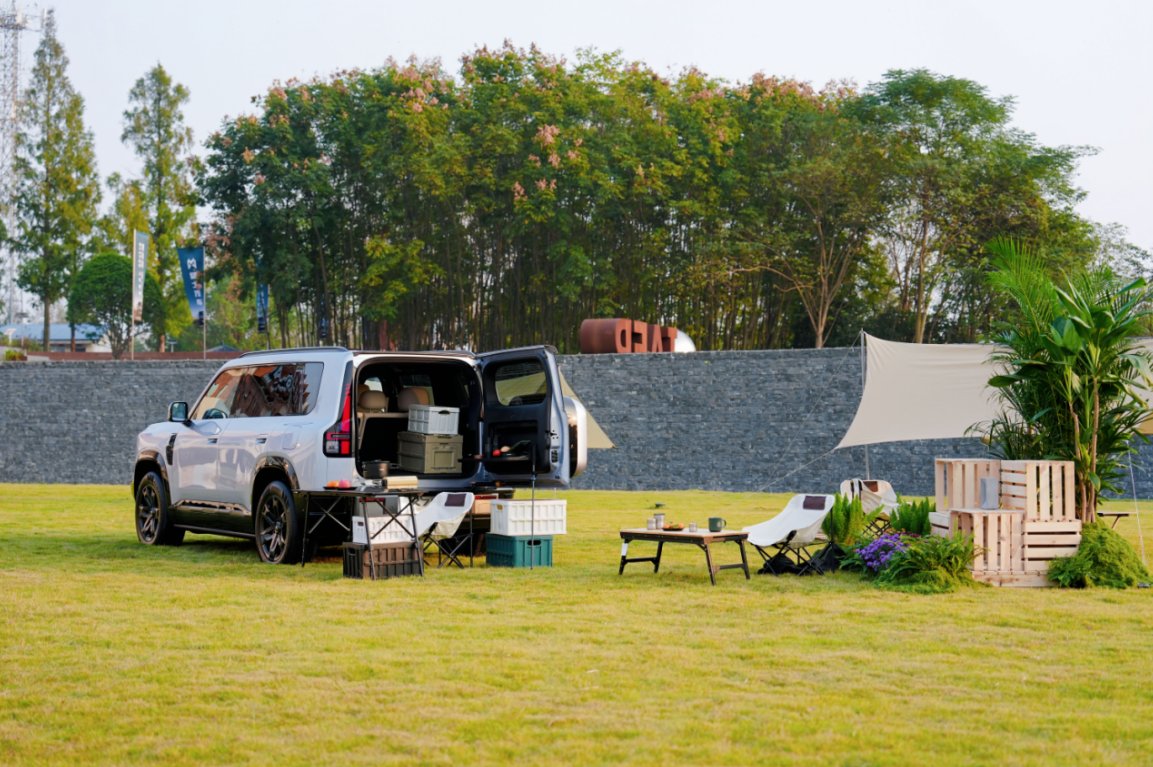
The definition of off-roading in the Chinese market is shifting: once a niche mountain game for enthusiasts, now an extension of family travel. What the M-Hero X700 wants to convey isn't escaping life, but bringing life into the mountains—children's laughter, elders' stability, a partner's relaxation, and the distant mountains and seas, all packed into the same car.
The most tangible meaning of off-roading has never been conquering some mountain, but carrying the people you love safely through that mountain.
A new life of intelligent off-roading—time to set off.


