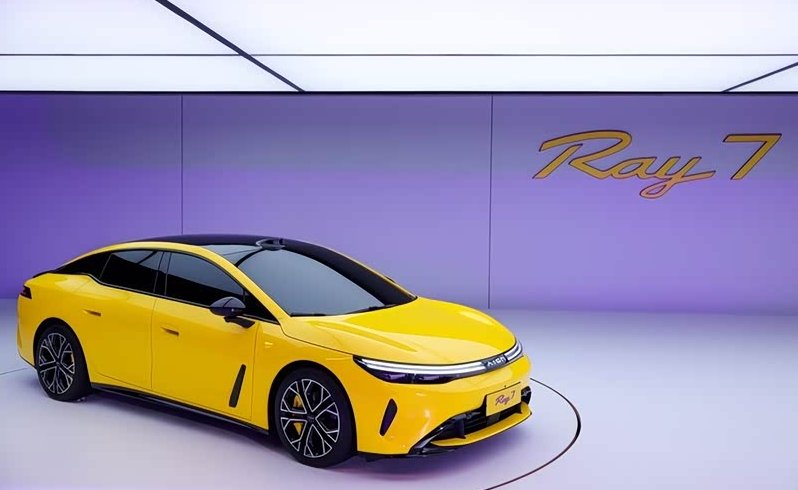
Pre-sale price starts at 128,800 yuan, a 4960mm-long pure electric coupe, equipped with a 192-line lidar, and they say it uses Robotaxi-derived algorithms.
Heh, GAC Aion really played this hand wildly.
I'm not on the manufacturer's payroll, but the blunt truth is the truth—this car's spec sheet, last year I wouldn't have believed it belonged to the 150,000-yuan class.
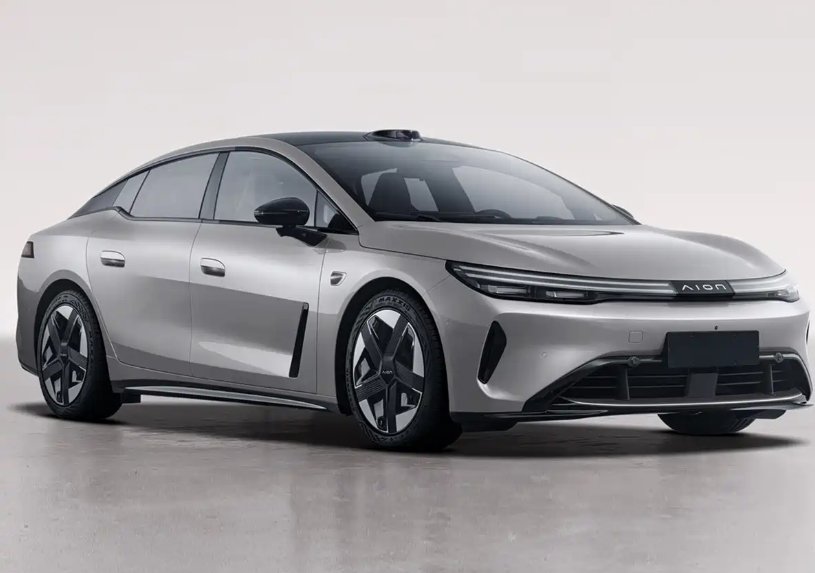
But the more appealing it looks, the more you have to ask: where's the appeal? Where are the pitfalls?
First, let's talk about the most eye-catching selling point: the WeRide L4 Robotaxi-derived large model.
Urban villages, single-lane U-turns, borrowing lanes to detour, parking spot to parking spot—officials rattled off a long list of scenarios in one breath.
I think, well, same source doesn't mean same level.
What scenarios is Robotaxi in? Geofenced areas, packed with redundancy, with remote human backup.
Your car is a private car, running all over the streets, with no one to back it up.
So the two words "same source"—everyone sees them differently. I, for one, think you need to stay vigilant.
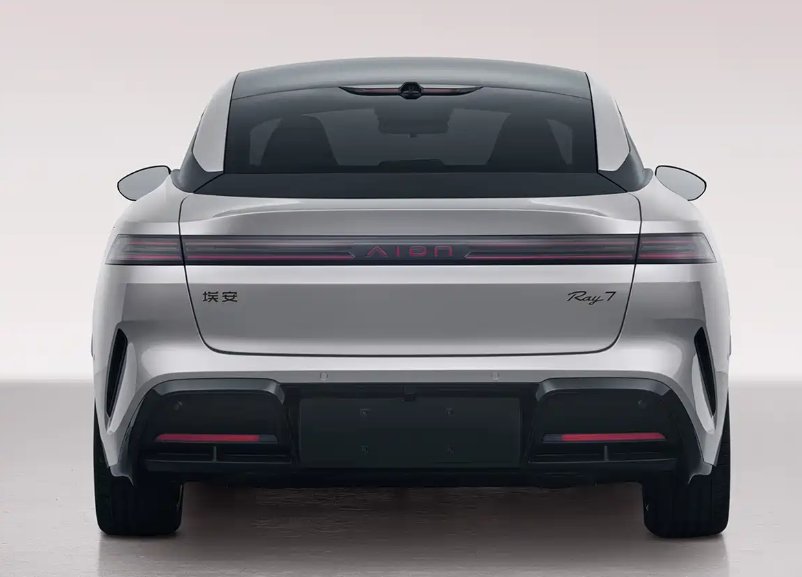
The official statement is actually pretty clear: the capability is "same-source algorithm," and later it will be "passed down" to the 100,000-150,000 yuan price range.
Note the word "passed down"—it shows this stuff is still being rolled out downward. How mature it is at this stage, officials haven't given third-party real-world test data.
Now looking at the hardware—no hype, no flattery, this part I have to praise.
27 sensors, 192-line lidar, 3 4D millimeter-wave radars.
This level of hardware stacking is indeed rare in the 150,000-yuan class.
And it's not just stacking sensors—the chassis and braking also got real investment.
Huawei DriveONE EMB fully wire-controlled braking, officially claimed to stop from 100km/h in 33 meters.
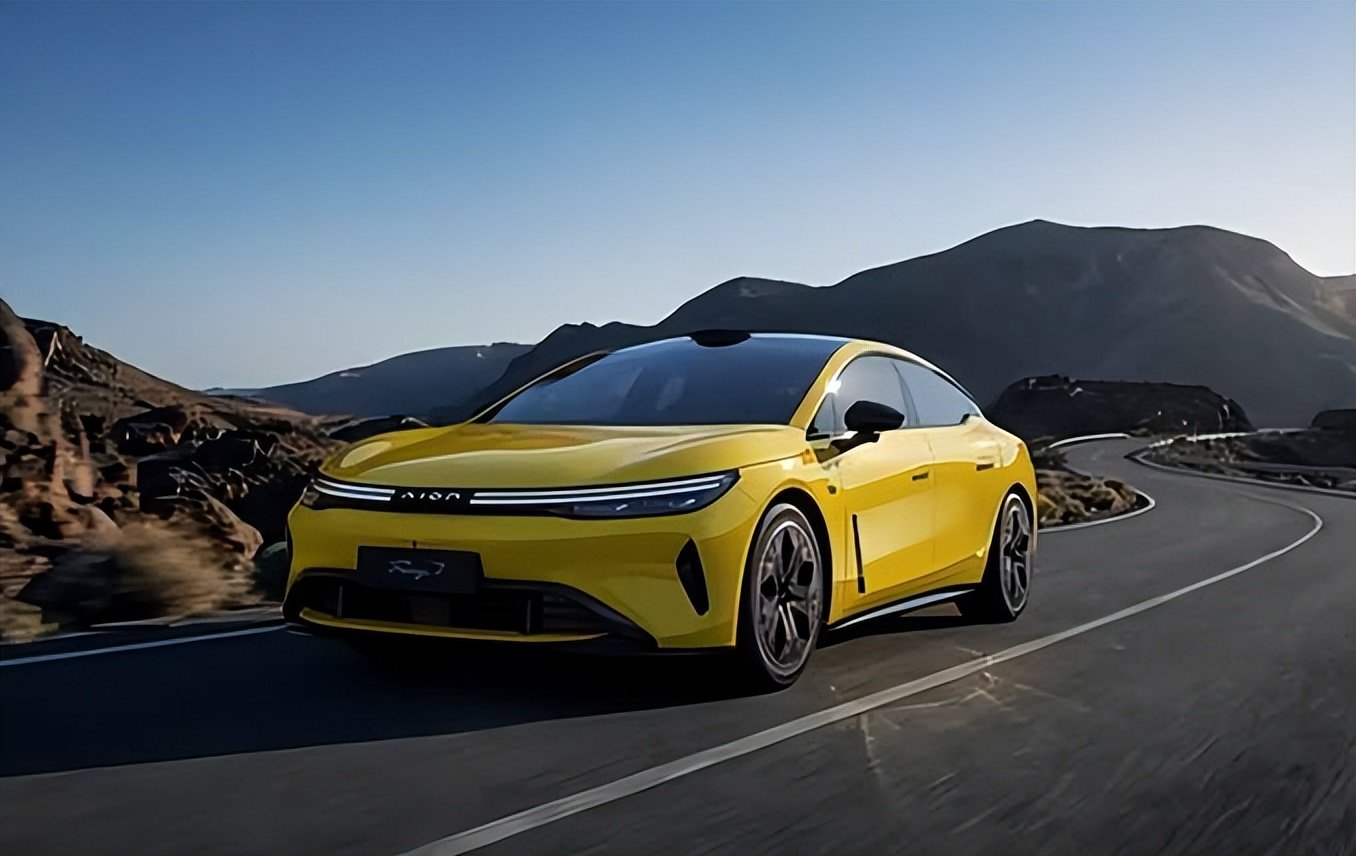
Suspension is aluminum hybrid front double wishbone plus rear five-link, also equipped with FSD adaptive damping.
Put plainly, this is pulling up the things users can perceive the moment they get in the car.
Power comes from a Huawei-supplied 180kW single motor, max torque 235N·m. Two battery versions: 45.58kWh and 62.98kWh, with CLTC range of 530km and 702km respectively.
Look at this—these power figures, in front of the word "coupe," actually aren't that fierce. Officials are smart too—they never boasted about 0-100 acceleration throughout, focusing instead on chassis tuning and safety.
Officials say it inherits Alfa Romeo's chassis tuning experience.
Whether that's true or not, only a test drive will tell. I'm not endorsing it now.
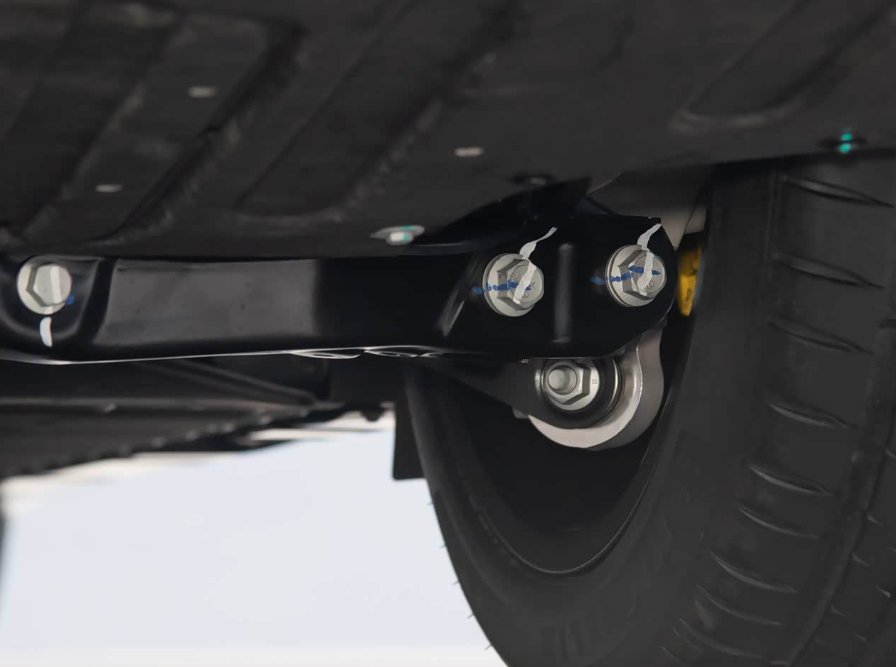
The wire-controlled braking system—in principle there's no problem, response is fast.
But for EMB fully wire-controlled braking, what users care about most is redundancy and pedal feel in extreme situations. This is new technology—it doesn't count just because it's written on a PPT.
Speaking of safety, Aion played its cards well this time.
Magazine batteries installed in over 1.5 million vehicles, safely driven over 160 billion kilometers, and they've also introduced "three responsibilities": spontaneous combustion from battery/motor/electronic issues, battery degradation beyond limits, and smart parking accidents—the manufacturer backs it up.
This move, I have to admit—ruthless!
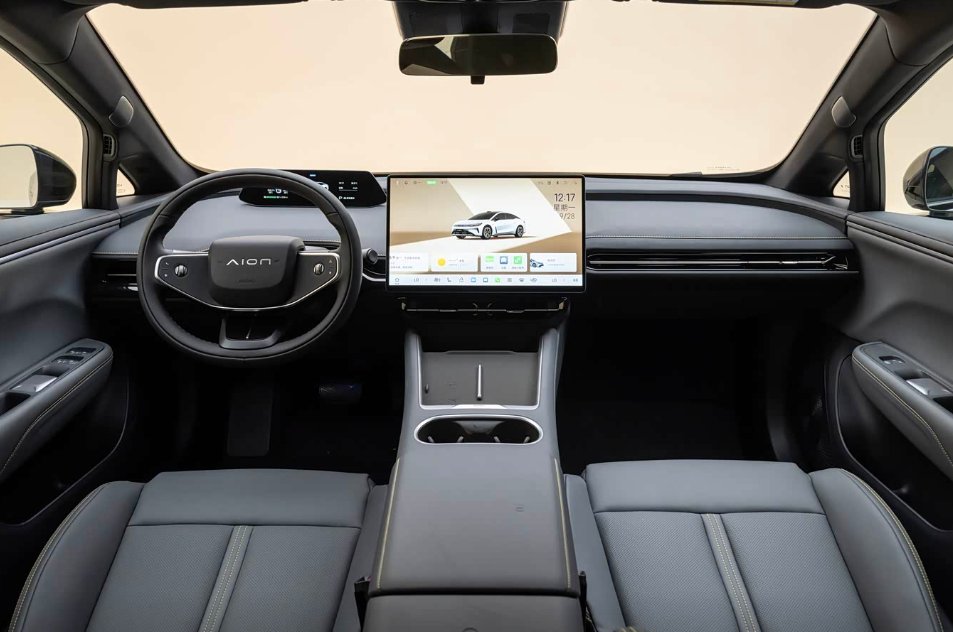
What do ordinary people fear most when buying a car? Fear that if something goes wrong, no one takes responsibility. The manufacturer saying this much is trading service and credibility for orders.
But "responsibility for smart parking accidents"—how are the terms and conditions written? What situations count as the manufacturer's fault? Officials are still being evasive on this front.
Pretty promises—but the contract is what's real, right?
So who should it really be compared to?
I think the benchmarks are the Xiaomi SU7 and Shangjie Z7. Honestly speaking, those two's brand heat—Ray7 really can't match.
Xiaomi's strength is performance and the human-car-home ecosystem; Shangjie has the entire HarmonyOS Smart Mobility system behind it.
Officials themselves admit the shortcomings: brand heat is relatively weak, cabin and cross-scenario ecosystem are relatively lacking.
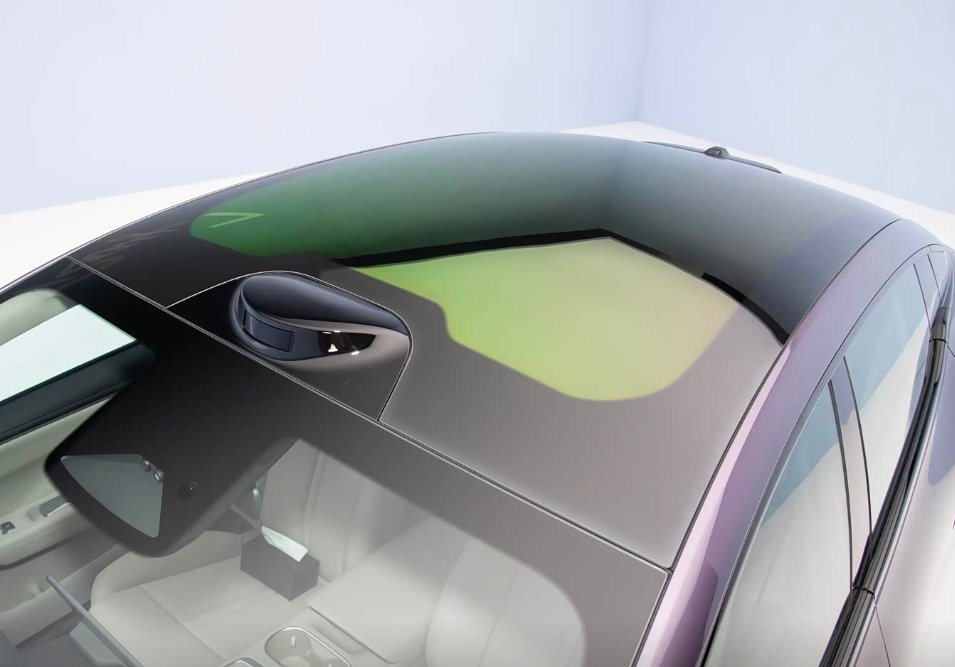
But what are Ray7's cards? Segment-leaping size plus a lower threshold.
Pre-sale 128,800-158,800 yuan, yet the segment is written as the 200,000-250,000 yuan class.
These figures don't match up—I won't smooth it over for them. Where exactly whose positioning lies, let the official pricing speak.
My judgment is: it's not here to make up the numbers—it's here to smash the market with price.
Finally, some cold-eyed industry perspective.
Aion's tenth anniversary this year—new LOGO, new design language, new series, all changed in one go.
What signal is this? The brand is turning around. In the past, everyone's impression of Aion leaned toward family use and ride-hailing. This time it wants to tear off that label.
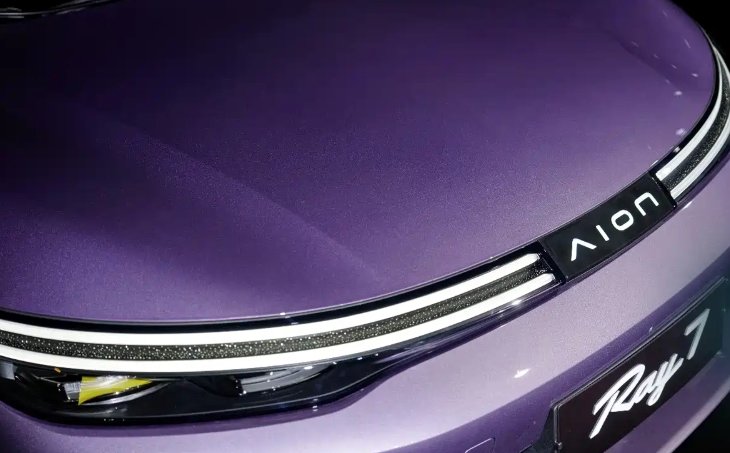
Tearing off labels—just stacking hardware isn't enough; it takes reputation and time to build.
And between pre-sale price and official price, there's always water to be squeezed out—and water to be added in. Officials themselves say the final pricing is the decisive variable.
That's the honest truth.
First-class spec sheet, tempting price, and a well-rounded story.
But this whole package—in real road conditions, in users' hands—can it be as smooth as in the PPT?
Let's wait for real feedback from owners after delivery, then we'll talk.
128,800 yuan—brothers, dare you place this pre-order first?


