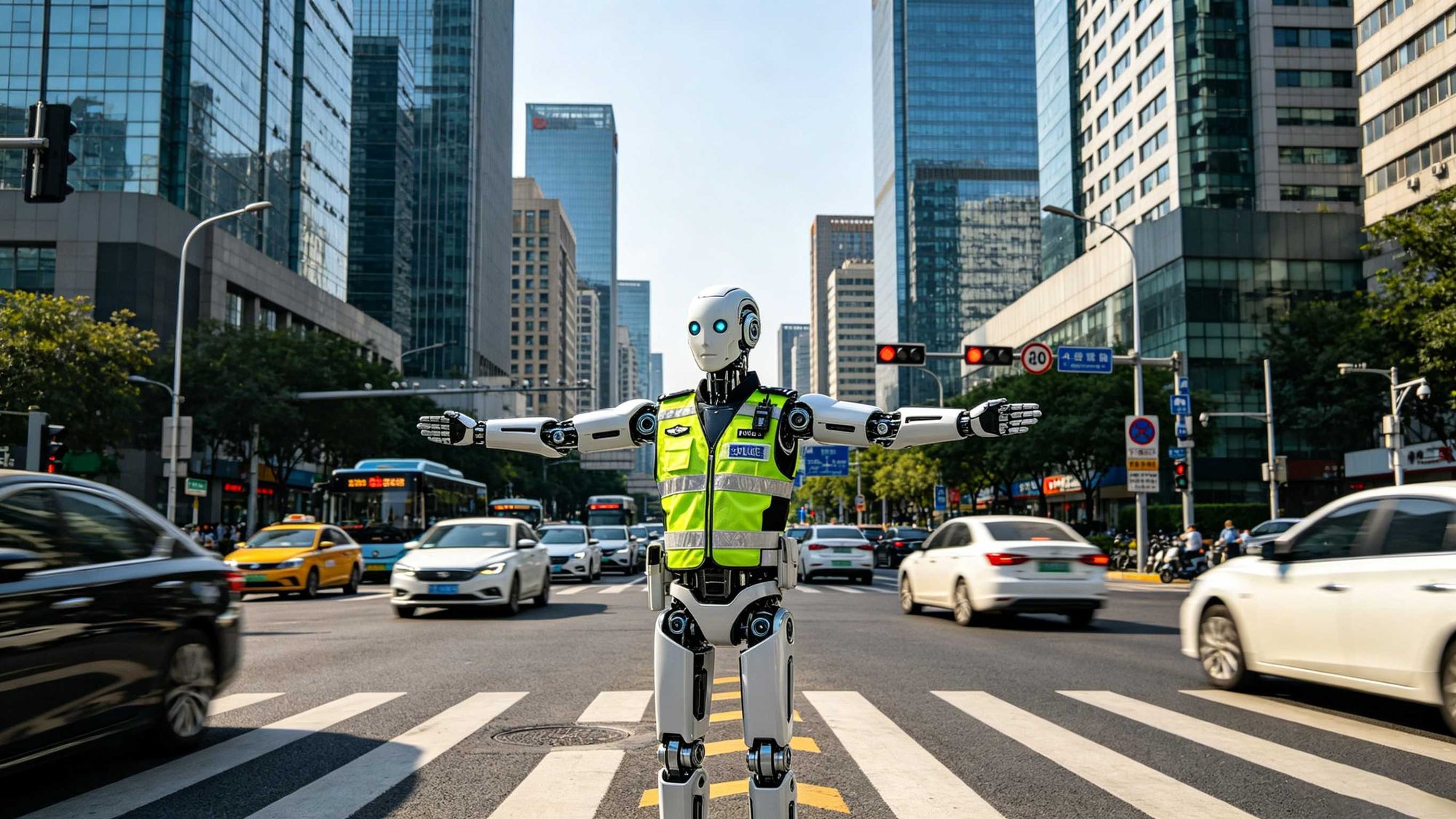
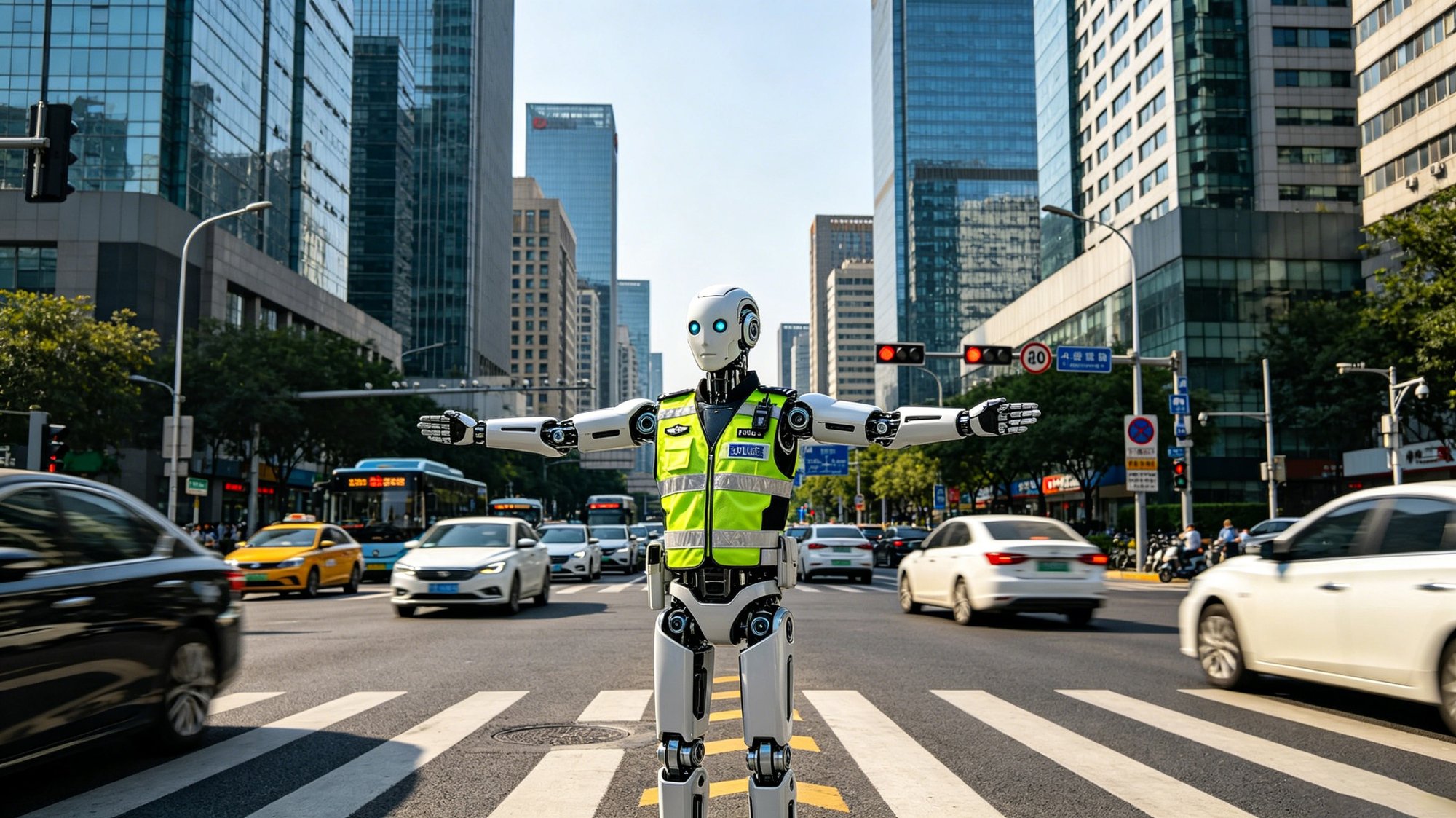
At a crossroads in Wuhu, Anhui, amid the morning rush-hour traffic, a "traffic police officer" in a reflective vest is raising a hand to signal vehicles to yield to pedestrians. Only up close does one realize this is the "Wuyou" smart police robot produced by Chery's subsidiary Mojia Robotics. Meanwhile, Chery's other humanoid robot, Moyin, has already gone to work as a multilingual shopping guide at a 4S dealership in Malaysia. In the 2026 auto industry, the style seems to have gone a bit "off track"—as if you're out of the game unless you "build humans."
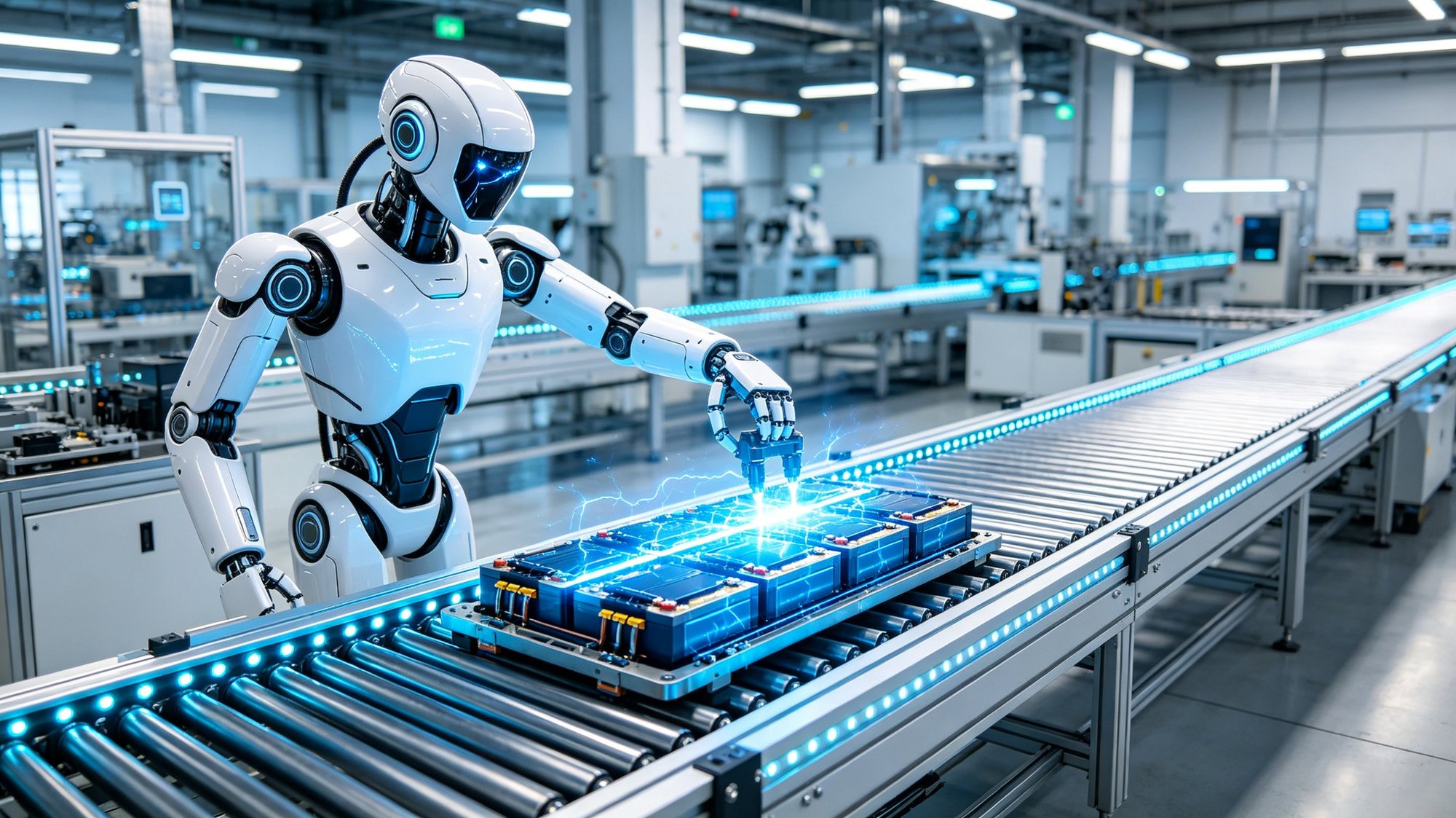
Why say that? Chery is not the only one off track. SAIC's "Nengzai No. 1" went straight to work doing precision grasping on Buick's battery mass-production line in March this year, with accuracy controlled within ±0.1mm and a footprint less than 15% of a traditional workstation. BYD, XPeng, Li Auto… in just over a year, more than ten mainstream automakers have entered the fray, from tightening screws in factories to selling cars in showrooms, and robots are taking over the most "labor-intensive" jobs.
Many people wonder: can't they just build cars properly? As it happens, building cars really isn't profitable this year. Data shows that at the worst point in 2026, the industry's sales profit margin once fell to 2.9%, a near-decade low, with 177 models cutting prices in turn, making selling cars a grind. The humanoid robot niche, by contrast, is a different picture, with the domestic market expected to exceed 100 billion by 2030. With a red ocean of bloody competition on one side and a blue ocean beckoning on the other, anyone would be tempted.
More critically, the two tracks have a "kinship" in technology. The lidar, cameras, AI chips, and path-planning algorithms accumulated from intelligent driving can be directly applied to robots by swapping the carrier, with technology overlap exceeding 80%. XPeng's IRON uses its self-developed Turing chip, and Li Auto released the Mach M100—essentially both let cars and robots share one "most powerful brain." The money spent over the past decade on autonomous driving is starting to generate compound returns.
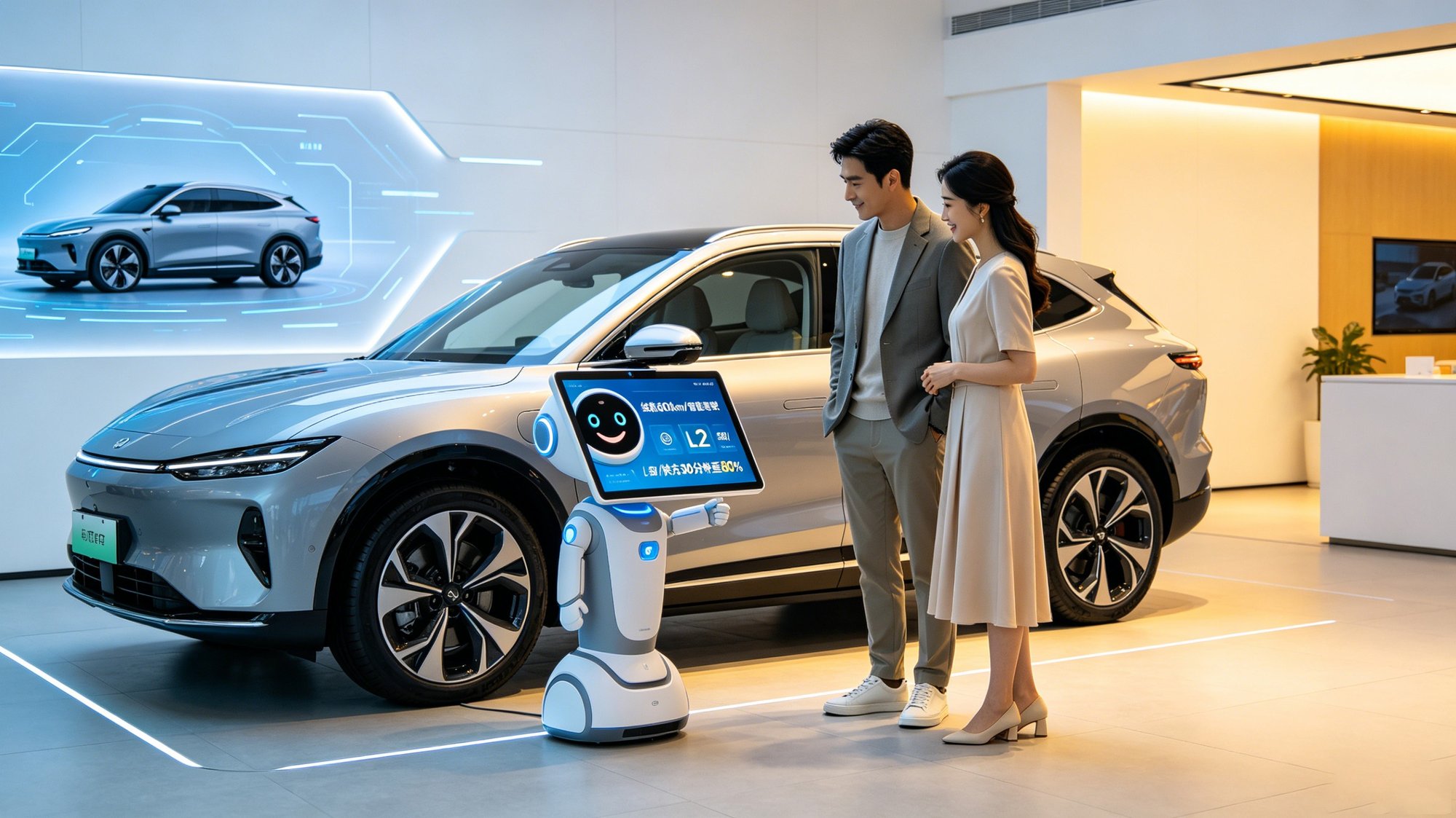
Each company has a different approach. Chery takes a "scenario-first" route, starting from factories and 4S dealerships, then extending to urban governance and medical services. Its "Moyin M1" was even listed on JD.com for 285,800 yuan, becoming the first humanoid robot self-developed by an automaker to be offered for public purchase on an e-commerce platform in China. SAIC chose "factory first," using internal demand to sustain technological iteration; XPeng aims at commercial services, with a year-end target of producing over a thousand IRON units per month, first deploying them in stores for guided tours.
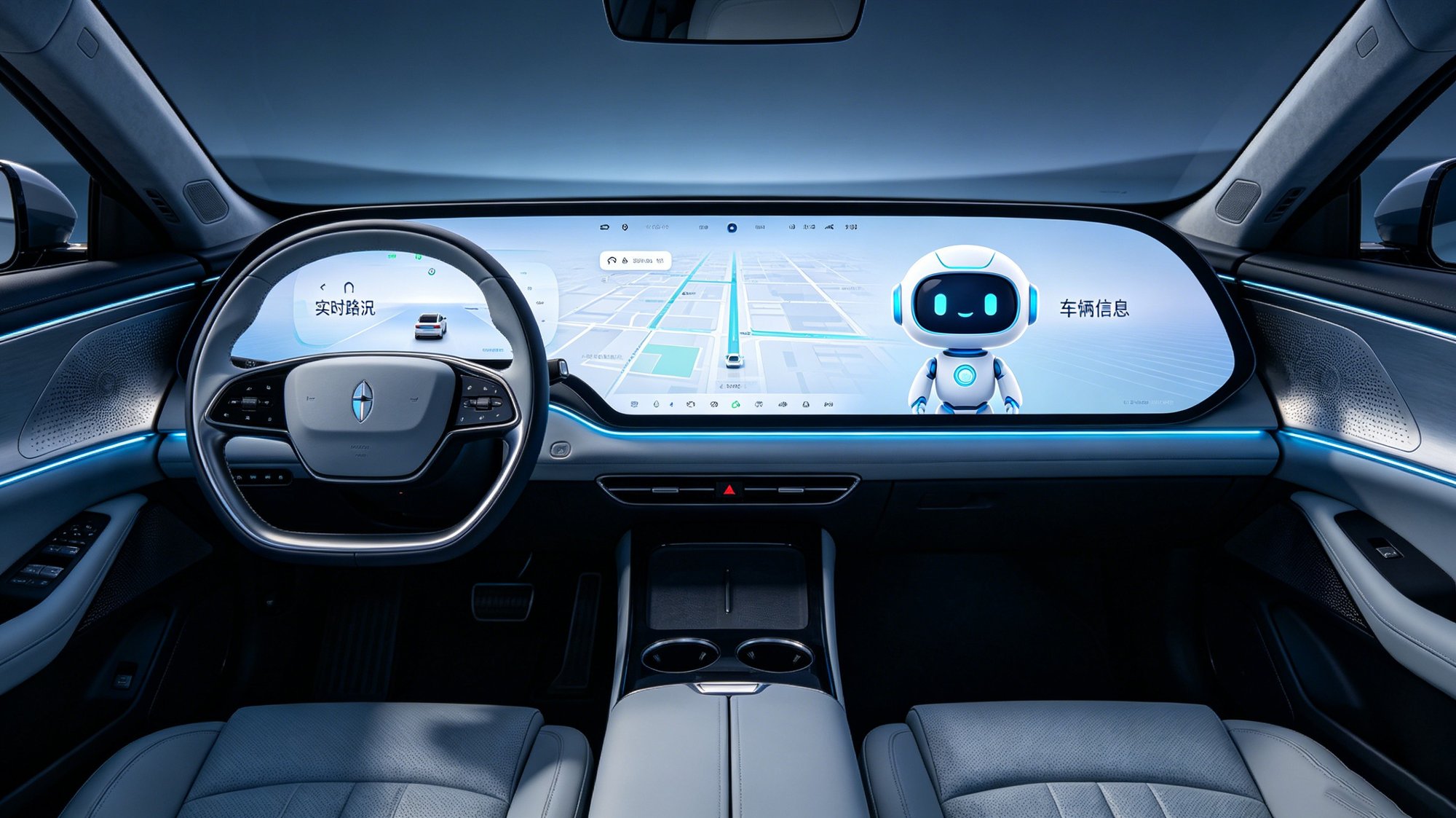
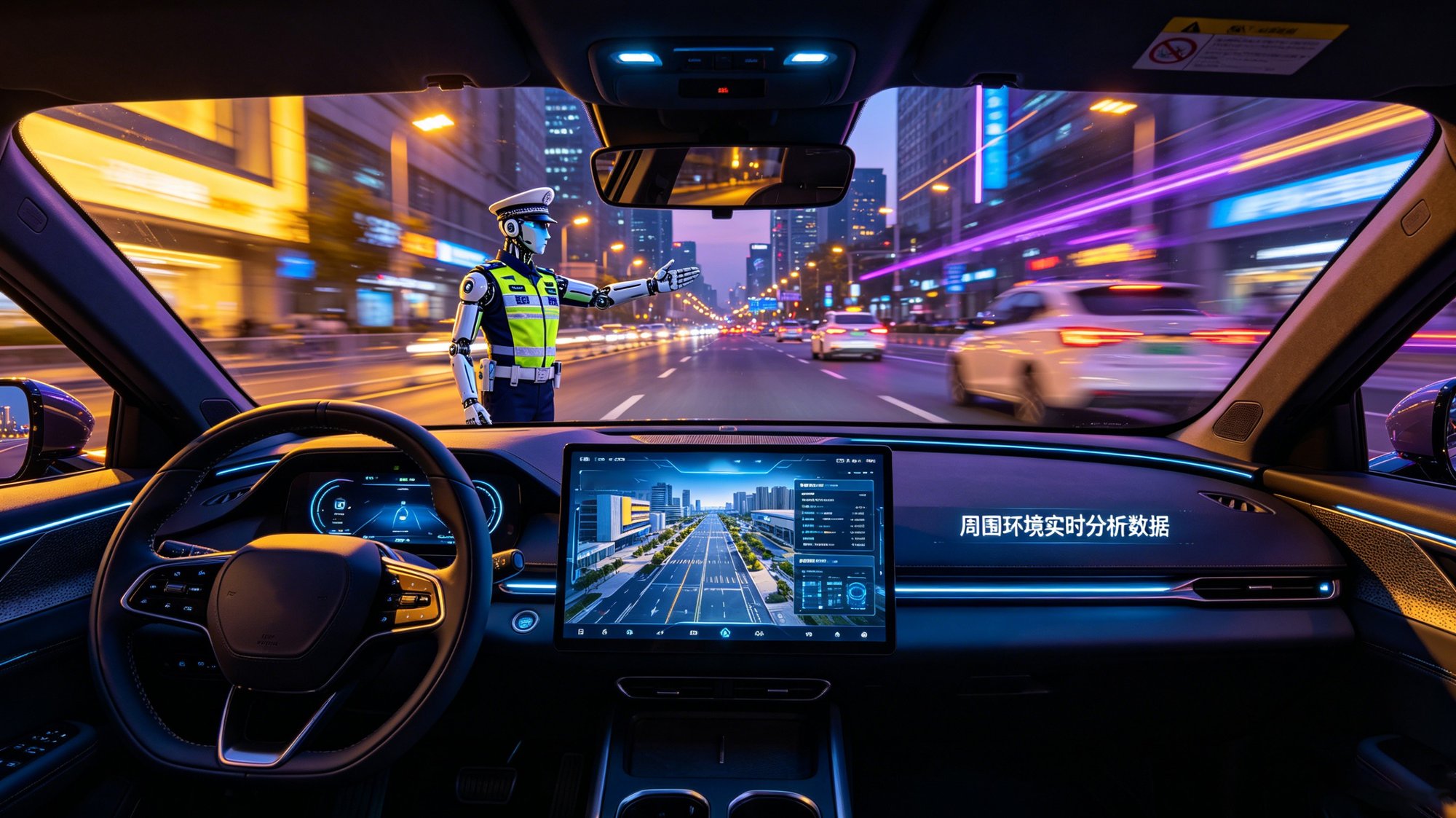
For post-2000s users like Miaodongche, the benefits are equally tangible. In a Beijing laboratory, smart cockpits can already perform emotion recognition and fatigue monitoring through micro-expressions. Li Auto goes further, aiming to turn the vehicle itself into an "embodied intelligent SUV," enabling the car to understand security guards' gestures, proactively reverse to yield, and identify fallen obstacles. Simply put, the car is transforming from a means of transportation into an intelligent partner that understands the physical world.
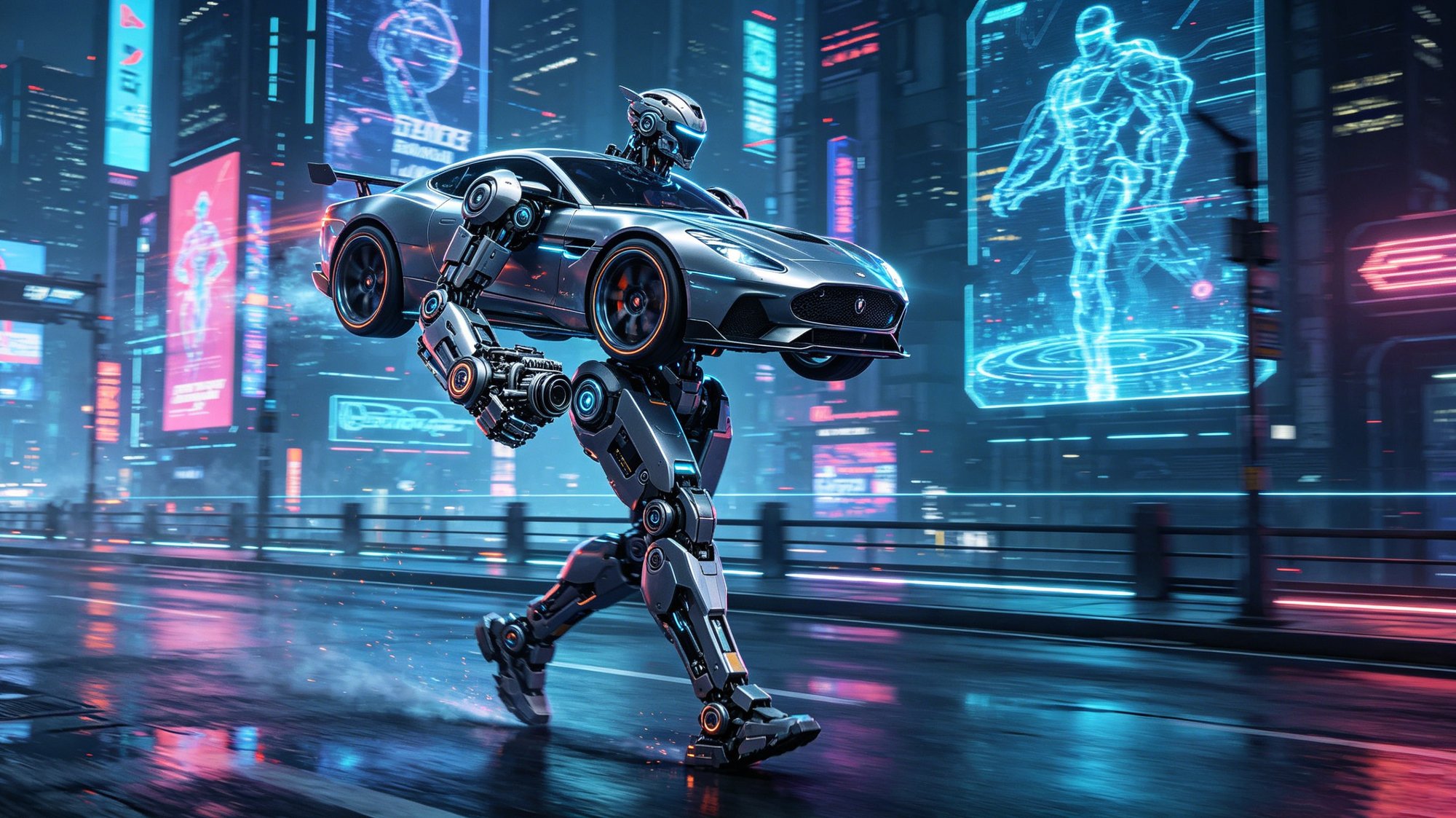
Miaodongche believes that automakers building robots is essentially a positioning battle over "physical AI." According to industry data, China's embodied intelligence market will reach 1,090.4 billion yuan in 2026—the cake is big enough. Jensen Huang says physical AI is the next wave of growth, and major automakers—armed with hardware manufacturing capabilities, massive real-world scenarios, and mature AI technology stacks—are indeed the best qualified to grab a ticket to enter.
Final thoughts
Automakers building robots is not "neglecting their proper work," but rather not wanting to remain merely "wheel makers." When intelligent driving technology migrates to robots, and robots' perception capabilities feed back into cars, what ultimately emerges may be a kind of intelligent terminal that cannot yet be precisely defined but can move freely in the physical world. But regardless, as "four wheels" start learning to walk on "two legs," the race for "physical AI" has already fired its starting gun, and the real show is still ahead.


