2700 new or redesigned components: New Mercedes-Benz S spotted in the flesh
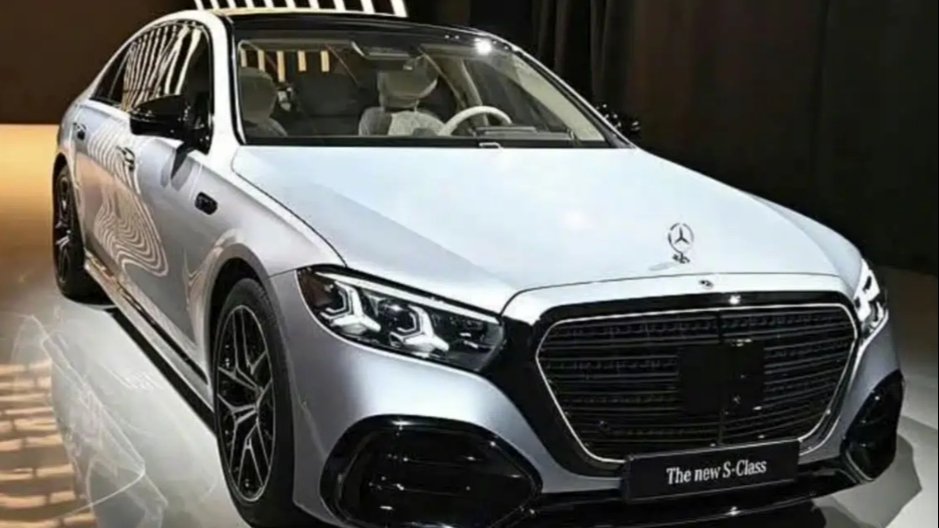
On January 29, a real-world photo of the new Mercedes-Benz S was exposed online. The exterior of the new Mercedes-Benz S has changed greatly. It will be the first to feature the self-developed MB.OS system, which integrates 27 sensors and enhances voice interaction functions and personalized experience. In terms of appearance, the grille of the new Mercedes-Benz S has become larger, with its size expanded by 20% compared with the current model. The brand emblem has returned to the engine hood, and it is equipped with the latest-style headlight assembly. The three-pointed star light source inside the light assembly shines brightly, and the front bumper has become more sporty. Combined with previously exposed spy photos, the taillights of the new Mercedes-Benz S have also been replaced with a three-pointed star light assembly, and the body size is expected to be larger than the current model. For reference, the current Mercedes-Benz S has length, width, and height of 5290/1921/1503 mm respectively, and a wheelbase of 3216 mm. (The image below shows previously exposed spy photos.) In terms of power, the new Mercedes-Benz S will be equipped with the latest 4.0T V8 twin-turbocharged engine, while also offering mild hybrid power, with a combined system power of 611 horsepower. However, this V8 engine will only be installed in high-end models, while lower-end versions may continue to use the existing 2.5T engine. Dada commentary: The Mercedes-Benz S-Class is the benchmark for luxury sedans. The current Mercedes-Benz S-Class was released in 2020. This facelift is a mid-cycle refresh, with core upgrades focused on the intelligent cockpit, power, and chassis, involving more than 2,700 new parts. The grille area has been expanded by 20%, and the three-pointed star emblem returning to the engine cover has added an illuminated function. The headlights contain 1.3 million micromirror components. Inside the car, the same Hyperscreen ultra-wide display as the EQS has been installed, and the physical buttons on the steering wheel have returned, balancing technological improvement with operational convenience.
Kaugnay na Balita

funnytechnology
Shenzhen Takes Off, China's Denza Soars! APEC Official Designated Vehicle First Batch Delivery Ceremony Grandly Held

ZXKC20200214
Geely Auto Appears at 2026 Sustainable Global Leaders Conference, Empowering Sustainable Development with Technological Innovation

StarCoreLabs
Hybrid sedans under 150,000 yuan: Seal 06, Volkswagen ERA 5S, MG 07 PHEV — how to choose?